Blog

Holidaying in Sepia: thoughts of a postmodern luddite

January 23rd, 2015 by Alec Spencer | Posted in Blog | Comments Off on Holidaying in Sepia: thoughts of a postmodern luddite
Tags: , , ,


Lanz2I once said to my son, who is a consultant orthopaedic surgeon, that the medical profession should get ready for cases of phone-itis. All he did was to laugh. And since then he sometimes recalls what I said and laughs again. I can’t see what’s so stupid about my observation? After all, with the development of the typewriter and the keyboard doctors are seeing cases of repetitive strain injury – all those fingers seizing up!

Just walk along the street and every other person is on their mobile phone, talking to someone – somewhere on this planet. Perhaps they are not really doing so? If they are lonely, friendless, then perhaps they are only pretending to speak to someone else – so that others will think they are just like them. And of course, those with ear-phones – so that they appear to be talking to themselves, or arguing violently with themselves – no wonder our mental health services are so overloaded. And those blue-tooth earpieces, with little blinking blue lights – we now have remote controlled aliens driving our taxis.

Anyway, where was I? Oh yes, people walking around holding their phones to their ears and chattering away. Now, I know that when I do that, after a few minutes I start getting aches in my muscles around my elbow. So I switch arms for a few minutes, then back again and so on. The pain is not quite tennis elbow, which can come from a burst of activity in the arm muscles – but I’ve not done any decorating or violin playing recently. So, I thought phone-itis would describe the phenomenon – and since millions of people are always on their phones – then a proportion of these will start suffering similar pains. “So get ahead of the rest of the medical profession and ‘discover’ and treat phone-itis“, I said. He just laughed.

What is the world coming to? Everybody appears to need a personal communication device of some sort. Some people have a range of them – their mobile phone, a tablet, a computer, a notepad and so on. I remember going into a mobile phone shop and asking for something that was just a phone. They laughed. It had a megapixel camera, wifi and bluetooth connectivity, and it could connect to the G8 or something like that. It had GPS, email, diaries and could probably have switched on my washing machine remotely, since it could seemingly control my television and probably attempt to control my life. It had applications by the score – so I had better call them apps. And it had games so that I could spend all day moving bricks around a screen, killing-off pac-men or playing solitaire. I think it also had a device for phoning home or friends hidden among the icons for facebook or twitter. Did I want to occupy the Cloud – or was that simply where my head was?

So I have my personal communication device and I can send messages in so many ways that by the time I have decided whether it is better to send it via the phone signal or wifi, and whether it should be an SMS text, email, twitter or whatever, I have forgotten what it was I was going to say.

It is wonderful to be able to Skype or Facetime ones friends and family. But why do they always seem to want to make visual contact while I am sitting on the loo?

Do we really need to be connected to the rest of the world? Is it important to know what one’s @personal_guru is thinking or eating for #breakfast? Who do you follow? A football player? A pop-star, fashion icon, writer, politician, fruit-and-nut-case, artist, your boss or a friend? And why? What is so important about reading their latest whim or comment, re-tweet or joke?

Now, I can have new aspirations. My social media presence needs a makeover. I’m a social nobody if I don’t have at least 500k followers or if my latest YouTube submission hasn’t gone viral. How can I live in cyberspace and hold up my head with only 53 followers and 69 hits?

I am thinking about my next holiday in the sun and worrying about whether I will remember to take the phone and ipad chargers and the European travel plugs. And then, when we are away wherever we are in the world, we will have to make sure that we take pictures of ourselves relaxing by the pool, reading a book and drinking sangria and send them off as proof that we are actually there. When we saw those first pictures of an American space ship landing on the moon, there were loads of conspiracy theories offering an alternative view that the landings were filmed in a studio somewhere. So we are on holidays and ask at reception for the wifi code, and we get a small piece of paper with some strange hieroglyphics which would make MI5 proud. Or will I just use the guest wifi in the café next door? Do we really want to know the temperature for the next two days or that Andy Murray has blown it again at the quarter-finals?

I’m thinking about a relaxing holiday – if that’s not an oxymoron? Reading my printed book on the plane without having to close it on take-off and landing. Being able to enjoy a meal without getting a phone call from an ambulance chasing law firm asking me if I’ve been sold PPI, or doing a Sudoku in the morning without having to contemplate an urgent email. How did we all survive when the world was only in black and white? Did we just forget about others and simply enjoy the here and now?

Can we still find peace and calm in a modern world? The Pope now uses twitter to communicate with his flock. Even he will want to put down his mobile when he turns to prayer? Perhaps there will be a notice in church that reads “No tweeting during services (unless to @God)”.

So I hope for a quiet, technological free, time on holidays. Now all of you can have a laugh!

The Indigenous Literary Foundation in Australia

January 23rd, 2015 by Paula De Lucas Gudiel | Posted in Blog | Comments Off on The Indigenous Literary Foundation in Australia


ILFWhen it comes to spreading literature, there are several associations that are focused on this matter. One of them is the Indigenous Literary Foundation in Australia, winner of the International Education Initiatives at the London Book Fair International Excellence Awards. The article in Publishing Perspectives gives us a glimpse at what this foundation is attempting to do.

In 2004, Suzy Wilson originated this Literary Foundation with the aim of expanding literacy levels to remote indigenous communities.

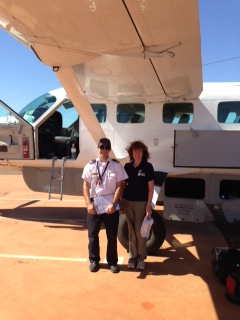
Karen-Williams-en-route-to-Alice-SpringsKaren Williams, one of the members of ILF, has been on almost 20 field trips that have taken her to Kimberley in Western Australia, in order to reach a community of 80 people. These trips also include a community on the edge of the Great Sandy Dessert, called Warburton, with 500 members, or even to the Tiwi Islands, having to fly in an light aircraft off the coast of Darwin. Not only that, but early this year, Williams and other members flew to what is known as the remotest community in Australia: Tjuntjuntjara. In order to accomplish this, they had to take an eight-hour- long flight from Perth, then a three-hour flight to Kalgoorie and drive for eight more hours. The ILF has been involved with this community for a long period of time. They have helped pupils to work on a book that is based on their school garden, and it’s called How Does Your Garden Grow and two years ago, some students and elders were brought to Sydney to participate in the charity’s Indigenous Literacy Day. This event was very important for them, for they had never been in a big city or even seen a plane before. They had never left their community, but during that visit, they even had the chance to visit a bookshop.

The Indigenous Literary Foundation has delivered more than 120,000 free books to more than 230 remote communities, and it has published and funded more than 40 books, including some of them in aboriginal languages.

Definitely, the job that the ILF is doing in order to reach isolated communities in Australia is very so successful that they can proudly show it in all the achievements they have accomplished.

– Paula de Lucas Gudiel.


Literature ingrained in society

January 16th, 2015 by Marit Mathisen | Posted in Blog | Comments Off on Literature ingrained in society
Tags: , , , , ,

Where do the popular knock knock jokes come from? Some people say they are from Shakespeare’s Macbeth, and they are not the only thing coming from literature to become something everyone says.

The most obvious type of literature people might quote without knowing they are quoting it, would be religious texts, but there are many other areas in which literature is being used on a daily basis. For instance, it should not come as a surprise that catch-22 comes from the novel of the same title, but people might use that without having even seen a copy of the book.

Do you, for instance, know why you say something is “a sight for sore eyes”? The saying is attributed to Jonathan Swift, who in A Complete Collection of Genteel and Ingenious Conversation wrote “the sight of you is good for sore eyes”. Or did you know that the phrase “busy as a bee” is attributed to Chaucer’s Canterbury Tales? Some research is likely to yield more examples like these, and Norway has one long quote from a book that is so ingrained in society that any Norwegian you ask will know what you are talking about, regardless of whether they have read the book it comes from.

What I am referring to is the “Law of Jante” or “Janteloven” in Norwegian. It was written by Aksel Sandemose, who was Danish, but lived in Norway. His writing was actually a combination of the two languages, but  knowing that Norwegian writing is derived from Danish, either language is quite easy to understand. There are ten laws, and the gist of them is  that whoever you are, you are not to think you are anything more special or better than “us”.

The English Wikipedia article on the law has the list translated:

  1. You’re not to think you are anything special.
  2. You’re not to think you are as good as we are.
  3. You’re not to think you are smarter than we are.
  4. You’re not to convince yourself that you are better than we are.
  5. You’re not to think you know more than we do.
  6. You’re not to think you are more important than we are.
  7. You’re not to think you are good at anything.
  8. You’re not to laugh at us.
  9. You’re not to think anyone cares about you.
  10. You’re not to think you can teach us anything.

The law is so ingrained that whenever someone acts too confident they are told to remember the law of Jante. The Norwegian people police each other with these rules, as do Danes and Swedes. Can you think of anything borrowed from literature that is completely ingrained in the society you come from?

These ideas might make you wonder what will be in use in everyday language in the future. Will muggle become an everyday term? And if so, what would it mean? What other words, phrases and ideas might become the norm in the future?

Beautiful Gift Books

January 12th, 2015 by Leia Forster | Posted in Blog | Comments Off on Beautiful Gift Books
Tags: , , , , , , , , , , , , , , , , , ,

Something that has always caught my attention in book shops is books with wonderful production value; thick paper, glossy images and gold embossing. If a book has gold embossing, I need it in my life. While run-of-the-mill paperbacks can be great purchases if you’re an avid reader, when it comes to giving books as gifts I feel there’s a need to choose something a little more special. If like me you are at a loss for what to buy someone this Christmas, read ahead and behold the beautiful gift books of my choosing.

The Barnes and Nobles Leatherbound Series

illu

leatherbound

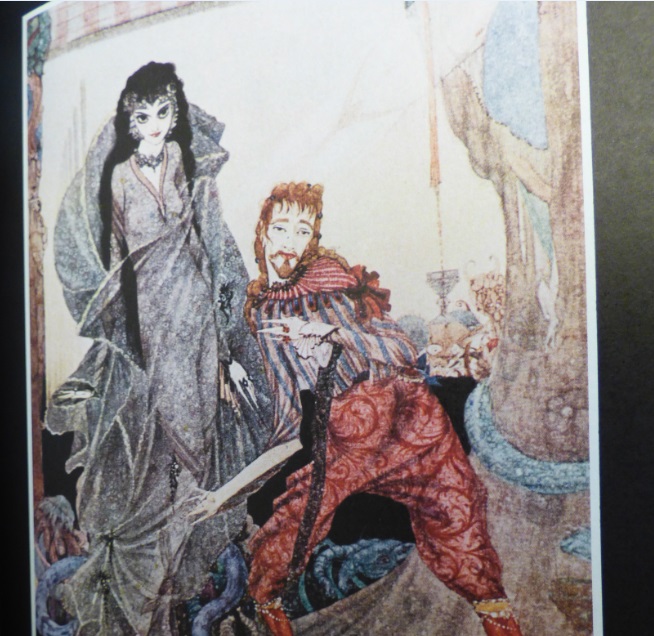
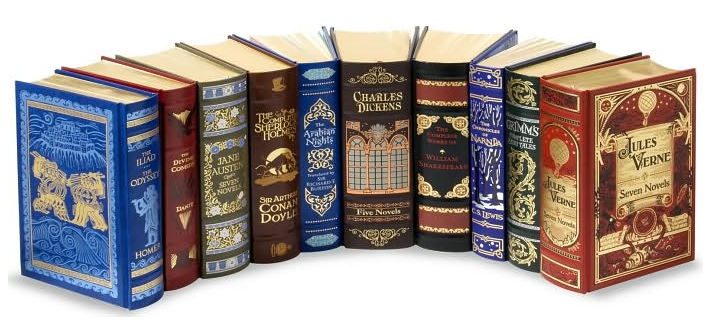
An affordable and wonderfully produced collection of books. Ranging from the classics to science fiction and non-fiction, you can tell a lot of thought has gone into the cover designs for each individual book. With an extremely reasonable RRP price of £25 a book, there’s no reason not to have several of these on your shelf. Many of the editions have several books within their pages, and the quality of production almost makes you feel bad for paying so little. The image to the right is just one example of the illustrations that can be found in these books. This particular one is from Edgar Allan Poe’s Tales of Mystery and Imagination.


Mister Finch, Living in a Fairytale World

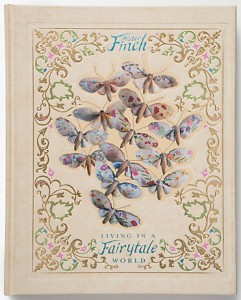
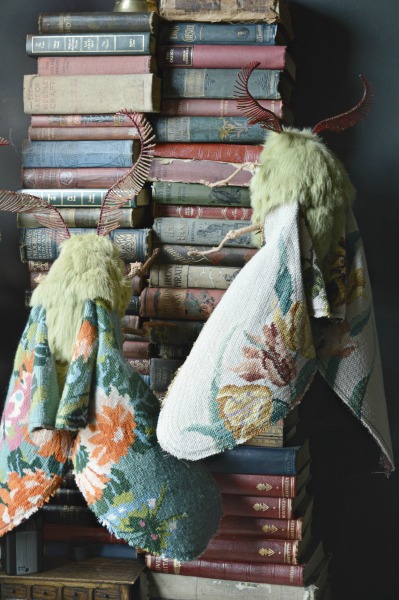
 mr finch 5For anyone interested in quirky art, this is the book for you. Mister Finch is a textile artist from Leeds who creates fabric fairytale creatures ranging from huge bees to dead canaries. Have you ever wondered what it might be like to have cat sized moths in the world? Mister Finch has.

This book showcases the best of his work with wonderfully photographed, glossy full colour images, and the cover could be considered art itself with the intricate metallic embossing.

mr finch 3mr finch 2


 Folio Society & Gollancz H.G.Wells Classics

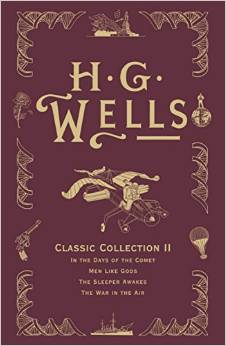
H. G. Wells Set [3 Vols] Classics of Science Fiction The Time Machine, The Invisible Man, The War of the Worlds - Folio SocietyThe Folio Society prides themselves on their extremely high standards of book design and production. Amongst my favourites is this collection of H.G.Wells Classics complete with illustrations. This lovely edition is however out of print, but can be still be found through online retailers with a price tag of around £65.

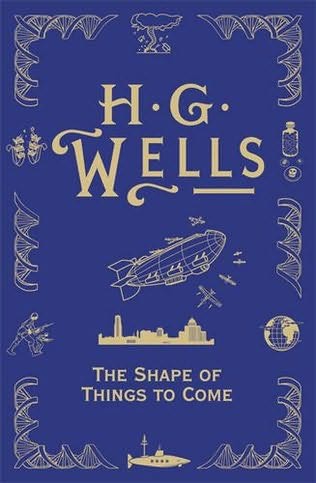
If that’s a little over budget, Gollancz published a series of cheaper but equally as charming H.G.Wells books. This edition of The Shape of Things to Come was recently featured in the hit TV show, The Walking Dead.

 classic collection hgwells

These are just a few of the many particularly special books in circulation that could make fantastic gifts. If these aren’t quite what you were looking for, I hope this post gives you the inspiration to find something suitable for that book-loving friend or family member.

Visiting Speaker: Dr Sam Rayner

January 7th, 2015 by Callum Mitchell Walker | Posted in Blog | Comments Off on Visiting Speaker: Dr Sam Rayner
Tags: , , , , , , , , , , , , , , ,

staffphotosam

On Thursday the 4th December we enjoyed the last visiting speaker of the semester, Dr Sam Rayner, the Director of the Centre for Publishing at the University College of London (UCL). Dr Rayner’s talk focused on her paper ‘Star Texts: The Next Generation’ in which she explores the dynamic modern world of publishing and its impact and potential impact on teaching and learning in society. Dr Rayner analyses the way in which publishers edit and package content for new readers and new markets, the shaping of the literary canon, and the emergence and significance of several types of ‘Star Texts’. Before beginning her talk, Dr Rayner pre-warned us of her use of Star Trek puns (which she admitted she had toned down), however the class was eager to hear about her research on ‘Star Texts’.

But what does Dr Rayner mean by Star Texts?

Dr Rayner began by expressing that throughout her academic and professional life (whether it be teaching, research, working in libraries or bookselling), texts and their status and consumption have been fundamental. This made her interested in observing how we read, keep, study and rate books. As a literary and publishing researcher, Dr Rayner recognised that certain terms related to texts with cultural standing—‘The Canon’ and ‘The Classic’, have “become elusive and complicated by two other means of quality control”—‘The Prize Winners’ and ‘The Book Club Recommendations’. Dr Rayner collectively calls these four groups ‘Star Texts’, and argued, “these texts create clusters in the impossible constellation of the research environment that they belong to”. This term, ‘impossible constellation’ comes from Prof. Ruth Mateus-Berr from the University of Applied Art Vienna, during a conference on artistic research, and she used the term to attempt to describe the “several contradictory methods, understandings and histories” that could be applied to artistic research. Dr Rayner believes that this ‘constellation’ was a particularly useful way of understanding how texts exist in the 21st Century. Her research therefore focuses on the tension between a literary work, and the responses to the literary work in question. Dr Rayner suggested that whilst the text remains unchanged, there is a constant transformative process of the work, born out of the interaction and response from each specific reader.

‘The Classic’

Dr Rayner went on to discuss importance of the transformative star text group of ‘The Classic’. These texts, Dr Rayner argued, are those that most commonly stand the test of time. But what makes a text a ‘Classic’? Dr Rayner pointed out that scholars have very varied views on this question. The ‘Classic’, academics argue, should arguably be “timelessly appealing” and “elevate its author to the status of a god”. Dr Rayner also added that ‘Classics’ can be very subjective, and one individual’s list of ‘Classic’ texts won’t necessarily be the same as that of another individual. However, we do find a curated ‘Classics’ section in a bookshop, and publishers for centuries have created ‘Classic’ lists. This type of text is chosen, designed and marketed by publishers rather than academics (not suggesting they are purely commercial products, however). Dr Rayner asserted that the ‘Classic’ should appeal to every type of reader. She also pointed out that publishers such as Penguin attempt to modernise by means of packaging, engaging with digital, and marketing these timeless texts.

‘The Canon’ 

Dr Rayner next went on to explain another type of ‘Star Text’ known as ‘The Canon’. The establishment sets this group for primarily educational purposes and to define identities within culture. This type of text exists to represent the view of the individual and the preservation of tradition. Dr Rayner went on to discuss how texts have become ‘canonised’ in education through curriculum and have moved away from chronological presentation, towards a clear genre focused syllabi of texts. ‘The Canon’, Dr Rayner believes is undergoing a time of extreme change, and the impact of celebrity culture and national feeling are determining the way texts are canonised in education. Dr Rayner also addressed the issue of whether or not students should be given a prescribed reading list, as arguably this is a means of industrially restraining the individual’s imagination. Perhaps a more effective system would rather encourage young people to love reading and get into a habit of it, Dr Rayner shared to the argument.

‘Prize Winning Fiction’ 

The next type of ‘Star Text’ Dr Rayner explained was the ‘Prize Winning Fiction’ category. Dr Rayner argued that in the modern world of publishing, being nominated for literary prizes quite often means being read or not being read by the reading public. Dr Rayner also discussed how effective creative writing courses are in the emergence of this type of text and the development of a synergy between academics, creative writing and publishing bestsellers. The question was also raised over what should constitute as a ‘prize winner’. Should it be by measured by unit sales or by its literary quality? Furthermore, who should decide on these status elevated texts? Academics, publishers or readers?

‘The Book Club Recommendations’

Following on from Dr Rayner’s previous group of ‘Star Texts’ was the final group of ‘Book Club Recommendations’. This group can also be a prizewinner, but experiences the treatment of being associated with a well-known figure or celebrity. In these cases, the power of an individual’s brand is worth thousands in sales of a title if they have been selected as part of their ‘book club’. This phenomenon arguably gave the book back its ‘social history’ and within these book clubs, the well-known figure(s) (such as Oprah or Richard and Judy) play an active role in choosing, recommending and associating themselves with a title. Dr Rayner described how in a sense these individuals act as mediators between the author’s text and the audience. Book clubs show more than any other type of ‘Star Text’ the tension between the cultural and the commercial that exists in the book trade.

Merely ‘Solar Flares’ or Eternal ‘Burning Stars’?

Dr Rayner developed her argument by observing the conflict between cultural and academic responses of texts and the importance of reader interaction and marketing campaigns on the success of these titles. In the vast ‘constellation’ of texts in the current market, Dr Rayner believes that grouping these ‘Star Texts’ helps us to identify what drives us when we choose what we are reading. The development of technology also makes the text organic, with digital transforming the way in which we read, store and share text. Dr Rayner’s paper raised several interesting debates on the textual environment and what defines a text as a ‘Star’ and indeed what cultural, academic and commercial forces play a part. By the end of Dr Rayner’s talk, we were ready to “boldly go where no researchers have gone before” and explore the future of ‘Star Texts’ and textual constellations!


This year’s round-up of the best literary gifts for Christmas 2014.

December 1st, 2014 by Hannah Elizabeth Roberts | Posted in Blog | Comments Off on This year’s round-up of the best literary gifts for Christmas 2014.
Tags: , , , ,

Do you have someone in your life who is obsessed with books, reading and anything literary related but have no idea what to buy them for Christmas except from a book or gift vouchers? Then this might be the list for you. I have searched the internet for the best literary gifts around and have come up with a selection that is sure to please any book fanatic this holiday season:

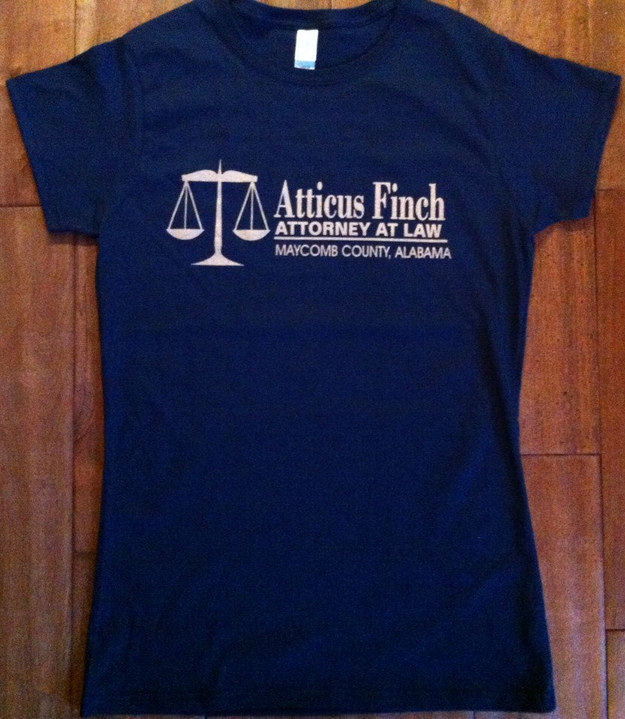
  1. Literary T-shirts: Buzzfeed have compiled this rather impressive list of book themed clothing that are sure to light up your loved one’s face on Christmas morning. My favourite is the ‘Atticus Finch’ To Kill a Mocking Bird t-shirt. I have definitely noticed a rising trend for book or literary themed clothing in the past couple of years so these are a must buy!

Publishing tshirt

(http://www.buzzfeed.com/jenniferschaffer/team-edward-rochester?bffb)


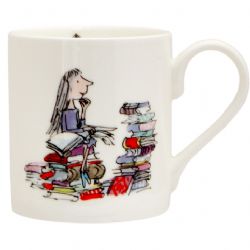
2. Literary Mugs: It’s rare that you will find a book lover without a mug of tea or coffee in their hand. Why not treat them to the Literary Gift Company’s selection of adorable mugs?

matilda mug

(http://www.theliterarygiftcompany.com/matilda-mug-15849-p.asp)


 3. Fancy Book Shelves:

Buzzfeed have again come up with a list of brilliant book-related gifts. How does a wall of floating book shelves sound? Find them online!


book shelves


(http://www.smartfurniture.com/products/Conceal-Floating-Bookshelves.html)


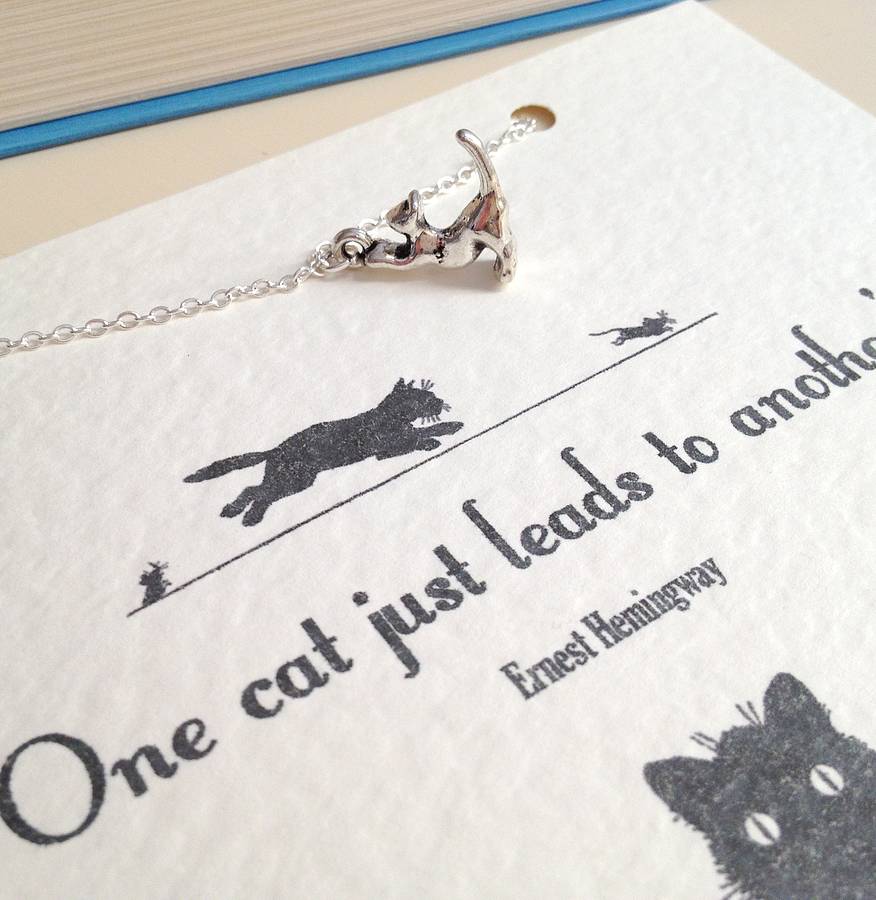
4. Literary Jewellery: If you’re like me and love jewellery and books then these should be on your Christmas wish list. Either for yourself, or for someone special. The Literary Emporium have a fantastic selection of themed jewels for you to choose from! The Ernest Hemingway ‘Cat Lover’ necklace is on my wishlist.


cat necklace

(http://www.notonthehighstreet.com/partners/literaryemporium/products)


5. Unusual Bookmarks: For those of you like myself, who have a mountain of half-read books on their bedside table, these bookmarks are just the thing you need. Practical and cute! You can find these on Amazon.


book mark


(http://www.amazon.com/dp/B009QY1D9I/?tag=buzz0f-20)

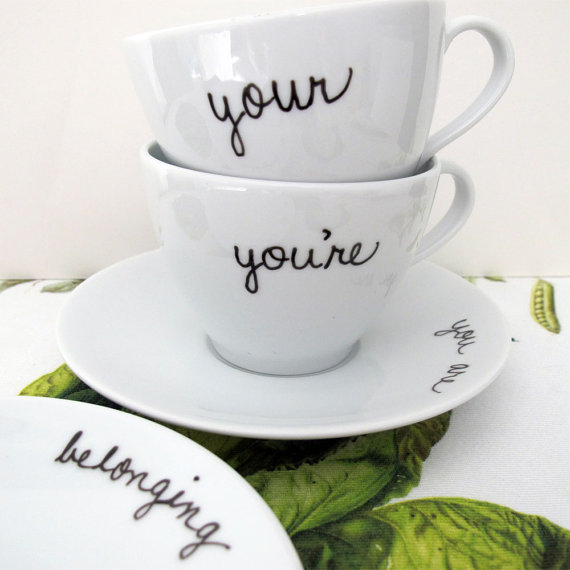
6. Your/ You’re set of teacups: Need I say anymore? These are available via Etsy.


teacups

(https://www.etsy.com/listing/150117826/grammar-teacup-and-saucer-set-of-2?ref=tre-2725348424-14)


So, there you have it, my selection of alternative book related gifts for you to give to someone special this Christmas.

All you have to do is decide what to buy!

  • Hannah Roberts, M.Litt in Publishing Studies, University of Stirling, 2014-15.


The Future of Indie Bookshops

November 30th, 2014 by Helen Griffin | Posted in Blog | Comments Off on The Future of Indie Bookshops
Tags: , , , , , , , , ,

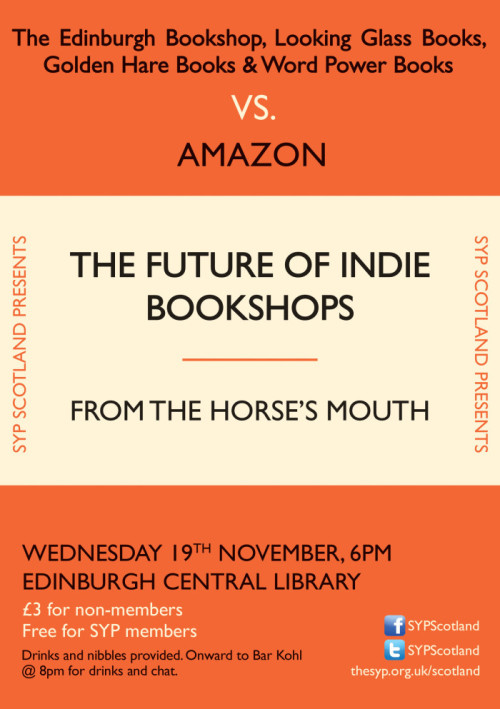
flyerRGB-e1415107334821

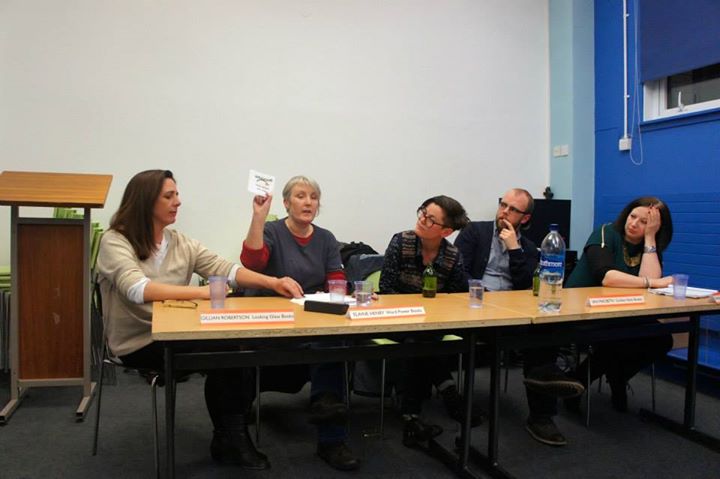
On Wednesday 19th November, in the Central Library in Edinburgh, SYP Scotland held a seminar discussing the future of Indie Bookshops. The panelists included representatives from four Independent Bookshops in Edinburgh: Gillian Robertson from Looking Glass Books, Elaine Henry from Word Power Books, Ian Macbeth from Golden Hare Books and Marie Moser from The Edinburgh Bookshop. Each representative spoke about what was next for them, what had changed over the last few years and what changes were still to come as independent booksellers adapt their business models in a bid to hold on to their share of the book market. The event was chaired by Peggy Hughes, Programme Director of the Dundee Literary Festival, Co-ordinator of the Dundee International Book Prize, and sundry other projects and publications at Literary Dundee. Peggy was also one of the judges for the Scottish Mortgage Investment Trust Book Awards 2013 and a Trustee for Reel Arts. By night, Peggy is also the Programme Director of the West Port Book Festival and one third of Electric Bookshop.


The Independent Booksellers:

Looking Glass Books

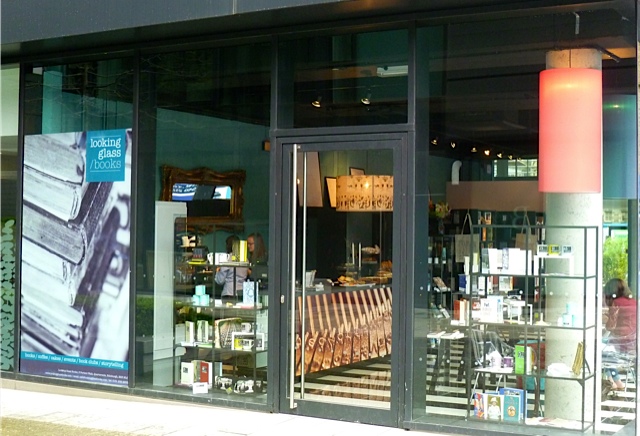
P1160408

Looking Glass Books is a bookshop and café that was set up in Edinburgh’s Quartermile in 2012. Gillian Robertson explained that the bookshop was opened when the industry was already where it is now, and so they haven’t had to do a lot of adapting. Their strategies have been more focused on who they are, where they might go and how they might place themselves within the industry.


Word Power Books

Word Power Books

It has been 20 years since Elaine Henry cut the red ribbon to Word Power Books in West Nicolson Street. Even after their 20 year success, Elaine said that there are still people who come into the store and ask how long they have been open for. Sometimes thinking, ‘what are we doing wrong that people still don’t know our existence’, Elaine believes this to be one of the major challenges of being an independent bookseller. Independent bookshops are not one homogenous group, and Word Power Books is what Elaine would call a radical bookshop dedicated to supporting small presses and independent presses (although they would get anything in for their customers). Word Power Books also publish, having done 22 titles. Their latest book, The Liberty Tree, about the Scottish radical Thomas Muir, was a leading review in the Sunday Times. Elaine commented that this feat meant they had finally been given some recognition for what they do after 20 years in the business.


Golden Hare Books

Golden-Hare-new

Golden Hare Books opened 3 years ago and is based in St. Stephen Street, Stockbridge. Ian Macbeth described the shop as having a curated feel, like many independent bookshops, distinguishing itself from larger chains.


The Edinburgh Bookshop

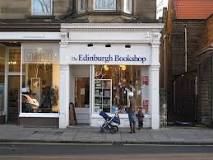
images

The Edinburgh Bookshop, nestled at Holy Corner in Bruntsfield, was opened 7 years ago and bought by Marie Moser just 2 years ago. Since then Marie has benefited from a double turnover and successes such as winning the UK Children’s Bookseller 2014 and being named Scottish Independent Bookshop 2014. Discussing the obvious successes of her predecessor, Marie nonetheless talked about the importance of accepting what you are and what works for your customers rather than what you want to be or feel you should be. When Fifty Shades of Grey came out it was 15% of the book market, and although, as Marie acknowledged, ‘ it might be considered by some people to be a rubbish piece of writing, it was the biggest thing since Harry Potter’. Marie’s predecessor would not stock the book, telling people they would need to go across the road to Tesco. Marie’s position on this kind of mentality was simple: ‘As a small independent retailer you have to get off your high horse’.

Existing Relationships with Digital

When discussing independent bookshops’ relationship with digital, Marie challenged that as yet the world might be 50% digital but not everything in the world is digital. In Britain we buy physically half a million books a day, not E-books, physical books! That might be massively down on 20 years ago, but according to Marie, if you found any businessman who was setting up a business and you said to him you could sell him half a million units a day, could he honestly think that wasn’t one cracking business? In relation to social media, however,  Marie questioned the practical uses of Twitter. Although a tweeter herself, since Marie has come into the industry, her opinion has become more inclined to regard it as a platform for the way the industry talks to itself.

Continuing with this discussion, Peggy Hughes humorously compared being good at Twitter as like ‘being good at the egg and spoon’. Ian Macbeth also likened twitter to playing ‘Guitar Hero’, with links to articles and people’s opinions coming at you all the time, just like the coloured blocks in the game. Ian also felt that it was a platform where it was difficult to make your voice heard. Although he does tweet about events and interesting books that have come into his store, Ian believes that interpersonal links are far more important, with tools such as a mailing list being a much better way to keep in touch with your customers. Although many people do love a mailing list, in today’s digital age it may be seen as archaic. Overall, Ian felt that Facebook had less impact than Twitter but that mailing lists and store websites were much more significant tools for promotional activity from the standpoint of an independent bookseller.

In a rather different digital era, Elaine Henry first used microfiche to look up books. From stock-card indexing to today’s methods, Elaine has definitely seen first hand the rising demand for instant response. In terms of twitter Elaine said, ‘I don’t tweet because I just don’t have the time. This thing that you should be sending out three tweets a day, I just find it a challenge’. However, when informed by Peggy that she had been tweeted by Russell Brand, an astonished Elaine relented to find a positive outcome to the social media platform, laughing, ‘I guess sometimes Twitter can work to your advantage’.

Gillian Robertson also commented that she tweeted regularly, but was quick to point out that you can’t have blanket rules for every bookstore. Gillian did agree with Marie’s opinion that Twitter was a way in which the industry spoke to itself, but pointed out that it depends on whom you follow. Gillian follows local independent businesses and Edinburgh locals, which she believes, has been crucial to her success. ‘I don’t know if we would have been able to get off the ground without social media’.

Indie Bookshop VS. Amazon

Marie Moser was of the opinion that businesses could not be future proofed, claiming that in today’s day and age, ‘there is no room to be mediocre, if you are not interested and engaged you are not going to make money’. Marie’s basic view of digital was that it was a society and that Amazon was at the pinnacle of it.

Ian was quick to point out that it’s not just Amazon, it’s supermarkets, Waterstones, etc. Independent booksellers cannot match the discounts of these large retailers, and even if  they could, they wouldn’t want to. Ian’s theory is that if you can’t offer the same discounts you have to offer people something else. Amazon can never provide the same experience as bricks and mortar bookshops as they are selling on experience and Amazon is selling on instant gratification.

224924_758614927507561_8105813029710701642_n

Within Word Power Books they have leaflets exhibiting quotes such as ‘think before you click’ and ‘discounts don’t come for free’. Marie’s agreement with these slogans prompted her to challenge the role of the publisher, arguing that there is a danger the industry is losing sight of volume and bestsellers versus actually making profit, therefore illustrating the idea that any fool can sell something cheap. Marie commented  that when you let big chains heavily discount your lead title you devalue that brand and you devalue the years of work that the writer undertook to make the product. The fact that publishers should value what they sell was most evidently what offended Marie the most.

Marie also argued that publishers, as an industry, are letting retailers hammer down prices. If you were to ask the public if they wanted to buy products as cheap as they could, it is inevitable that they would say yes. The reality, according to Marie, is that this is not true or we wouldn’t have luxury brands; ‘We will buy what we think is a fair price for something nice’.

The seminar ended on the positive note that since 2009 there has been a resurgence of independent bookshops. According to all four of the independent booksellers, what we need to do is look at what is driving this; it may be a small movement, but it can have a big impact. Overall, for independent bookshops world domination is not on their agenda, however, they do not just want to survive, because that’s a low bar; they want to thrive, and as far as the seminar proved, Amazon is not going to stop them.

Visiting Speaker: Zoë Strachan

November 26th, 2014 by Kena Nicole Longabaugh | Posted in Blog | Comments Off on Visiting Speaker: Zoë Strachan
Tags: , ,

zoestrachanOn Thursday 20th November, author  Zoë Strachan paid us a visit as part of our visiting speaker series. Based in Glasgow, Zoë has three published novels: Negative Space (Picador), Spin Cycle (Picador) and Ever Fallen in Love (Sandstone). She also writes short stories, plays, libretti and essays and is a lecturer for the University of Glasgow’s Creative Writing programme.

To start off, Zoë discussed how the publishing industry has changed since the publication of her first novel in 1999. Her first experience of publishing was of an incestuous world: everyone knew everyone and you needed connections to get your foot in the door. With the support of her literary agent David Miller, she was able to sign a two book deal with Picador.

Next, Zoë discussed the pros and cons of working with a large publisher like Picador. Picador had many valuable resources and her book was heavily copy-edited to a high standard. However, there were several staff changes during the development of her first novel that left her with three different editors throughout the process. She had a much better experience with her second novel and described her editor as an ally who “really made me think, really challenged me.” She also stated, “If you’ve got a good editor, a good publisher…it is a tremendous privilege.”

Zoë’s third novel was published with Sandstone Press after being rejected by Picador. She said there was less money involved than Picador, but as a small publisher Sandstone was able to give her much more support and personalised attention.

To the aspiring author, Zoë gave some hopeful advice: “You just have to get your manuscript on the desk of one person who opens it, gets it and likes it. Only one person has to like it.”

Zoë’s talk was delightful and informative and provided us with insight into the publishing process through the eyes of authors. Moreover, she praised the role of publishers as supporters and gatekeepers, a refreshing sentiment to hear in a time when many are questioning the role of traditional publishers.

Guest Speaker: Lindsey Fraser

November 19th, 2014 by Leia Forster | Posted in Blog | Comments Off on Guest Speaker: Lindsey Fraser
Tags: , , , , , , , , , , , ,

fraser

fraser ross

On the 13th of November, Lindsey Fraser of Fraser Ross Associates visited us here at Stirling to give a talk on the role of the literary agent.

Lindsey began by reminiscing of a time when book publishing was simpler. Books had one price; that which was displayed on the book jacket, and books were limited to paperback and hardback formats.

As the publishing industry adapted to reflect changes in the digital landscape, it became apparent that authors needed representatives who had their best interests at heart and would help them to manoeuvre the unfamiliar realm of publishing.

Having spent ten years working for the Scottish Book Trust, Lindsey and colleague Kathryn Ross had established that there was a need amongst Scottish authors for agent representation, and so they left the Scottish Book Trust in order to create Fraser Ross Associates. They are now part of the small literary agent community which forms The Association of Scottish Literary Agents.

When speaking specifically about the role of the agent, Lindsey said that she considers literary agents to be responsible for finding the best possible homes for books. She also expressed that a major part of the role is giving your writers confidence, and that it is important to remember that agents are sometimes the only contact that writers have with the world of publishing. Trust is essential in this relationship.

Lindsey went on to highlight that the agent is on the side of the author, and ultimately it is their aim to help the author make money from their writing. The agent also encourages the writer to respect publisher deadlines and teaches them how to deal with promotional events as well as showing them how to make the most of opportunities that are presented to them.

Talking more about the encouragement that should be offered to authors, Lindsey noted that they are particularly vulnerable after having their first book published and are beginning to consider the next. It is important to help them through this period of insecurity. She commented that authors have a tendency to look at what was not right with their book and need to be reminded of what was good. She also said that sometimes after having a book published, authors would like to have a period of rest, but there is an important issue here regarding the children’s book industry. Children grow up quickly, and their interest in certain books changes. If you are publishing a children’s series, you need to ensure that the books are published before your readership outgrows them. Sometimes it is necessary for an author to produce a number of books in quick succession, especially if their books are doing well.                                                                                                                              scottish bt

Nearing the end of the talk, we were informed of The Scottish Book Trust’s live literature scheme which provides funding for author visiting sessions at schools in Scotland. They pay half of the author’s fee as well as traveling expenses which allows more schools to benefit from visiting sessions while authors also get to promote their books and interact with their readers on a more personal level.

Lindsey’s talk offered wonderful insight into the role of an agent in the publishing industry. She shared with us her refreshingly honest thoughts and opinions regarding some issues within the industry, and I particularly liked her comparison of the Bologna Children’s Book Fair to speed dating which highlighted once more the importance of networking in this industry.

Saltire Society Literary Awards 2014

November 19th, 2014 by Callum Mitchell Walker | Posted in Blog | Comments Off on Saltire Society Literary Awards 2014
Tags: , , , , , ,


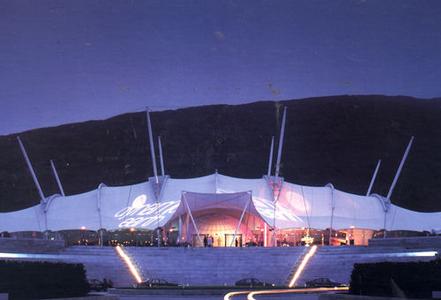
SCOTLAND ALBA LOGOOn Tuesday 11th November several of our MLitt & PhD students enjoyed an evening of literature, music and canapés at the Saltire Literary Awards hosted at Dynamic Earth in Edinburgh. The Saltire Society, a non-political independent charity founded in 1936, hosts the annual ceremony to celebrate the finest Scottish literature produced in the past year.

The most prestigious award of the night, the Saltire Society Book of the Year, was won by an academic work detailing Scottish urbanisation in the 18th century, The Scottish Town in the Age of Enlightenment 1740-1820. Co-authored by professors Bob Harris and the late Charles McKean, the book was produced after a three-year long period of research and also won this year’s Saltire Society Research Book of the Year award. Exploring the transitional development of 18th century burghs and the importance of understanding these changes in society, the book was described as a “pioneering study” by judges. Professor Harris received a cash prize of £10,000 at the ceremony and told guests that he was honoured to win the award in a country “with such a rich tradition of writing”.

Winners in the categories of poetry, history, literature and first book, were awarded £2,000, including Alexander Hutchison for his collection Bones and Breath, which claimed the Saltire Society Poetry Book of the Year award. Described as a “masterly new collection” from the poet, the book mixes satire with affection. The History Book of the Year award was won by social historian Steve Bruce for his exploration of cultural and religious change in Scotland in Scottish Gods: Religion in Modern Scotland 1900-2012. Ali Smith took the Saltire Society Literary Book of the Year award home for her novel, How to be Both, described by judges as “an exhilarating read” in which two narratives are linked despite being set centuries apart. Celebrating the emerging talent of first-time authors who have not previously been published, the First Book of the Year award was won by Niall Campbell for his “remarkably powerful first collection” Moontide, which was praised as “one of the most distinctive lyric voices to emerge from Scotland in recent years”.


1113921311400The Saltire Society Publisher of the Year award was introduced in 2013 and is supported by Creative Scotland. Celebrating the vitality and innovation of Scottish-based publishers, this year the award was won by Dingwall-based small enterprise Sandstone Press. The publisher was awarded £4,000 to assist further developments in the company’s business and was recognised for their “enthusiastic pragmatism” and the quality of their editorial work. Sandstone faced strong competition from a shortlist including Backpage Press, Freight, Birlinn, Bright Red and Floris. Executive Director of the Saltire Society Jim Tough praised the shortlisted publishers for showing “[the] creativity and adaptability needed to succeed in today’s competitive marketplace”.

Other awards of the night included the Saltire Society Literary Travel Bursary, supported by the British Council. The award went to St. Andrews University student Lenore Bell, who won a cash prize of £1,500. This prize will fund her research for a novel set in Edwardian Brooklyn in the USA.

Supporting the next generation of academics, the Ross Roy Medal is awarded to the best PhD thesis on a subject relating to Scottish literature. This year’s winner was Stirling University’s very own Barbara Leonardi for her thesis, “An Exploration of Gender Stereotypes in the Work of James Hogg”. Dr Scott Lyall, Chair of the judging panel, commented that “Leonardi’s writing is beautiful, and she shows real conceptual and socio-historical nous in opening up Hogg’s writing to a feminist and postmodern analysis”.

Congratulations to all the winners of the night and thank you to the Saltire Society for celebrating the Scottish imagination, and giving us a fantastic evening!