 “We want to create content that connects with the reader, and has its own aims and objectives,” says John Innes, associate director of Think Publishing, the second of the MLitt’s visiting speakers for 2014-15. Heather McDaid reports:
The company currently has 58 staff, 38 clients and 45 titles they handle, with 4.5 million copies per year printed. But it’s not just content creation they handle; as with any competitive company within publishing they offer a full service to meet their clients’ needs. This can range from editorial and design, advertising and research, to finance account management.
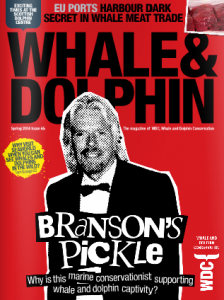
Just like the service they provide, their client base is broad and varied. Publications include Historic Scotland and CAMRA (Campaign for Real Ale), as well as Whale & Dolphin, with digital copies available on ISSUU. Though there’s a stark contrast in some of the content, Innes notes there are lots of similarities in dealing with membership magazines that makes it easier.
“We need latitude to make it look interesting,” he notes, explaining that it’s hard to work within a rigid brand. To avoid it looking like a corporate brochure, they need to evolve the publication to keep it interesting for readers. He deems it “Brand+” – they take the basic brand and add to it to create a better product.
In order to do that, he continues, they need to satisfy all three of their customers without encroaching on another – the client, the reader and the advertisers.
“Every issue we produce should be better than the last” in at least one way, and they use workshops heavily in order to meet the client’s needs while creating a quality product. This goes beyond a mere print publication at times, with digital content being generated for almost every client, from extracts to video content. People are platform agnostic, he adds, but it’s still important to make each one functional and appealing.
With this digital age, there is one key issue: “there is no such thing as news in an internet environment”, instead they’ll try generate interviews and analysis, not “news that happened last week”. In a world where information is available instantaneously, print publications can’t compete.
But what about those who would like to work with Think Publishing? “The best question to ask is ‘why?'”, says Innes. They need people not only with an interest in their work, but the ability to ask why they do certain things, why competitors do certain things, and whether that’s something they should consider. They need people who want to make the publications better and more interesting, and encourage people to look into their internships if it sounds something they feel they’d be suited for.
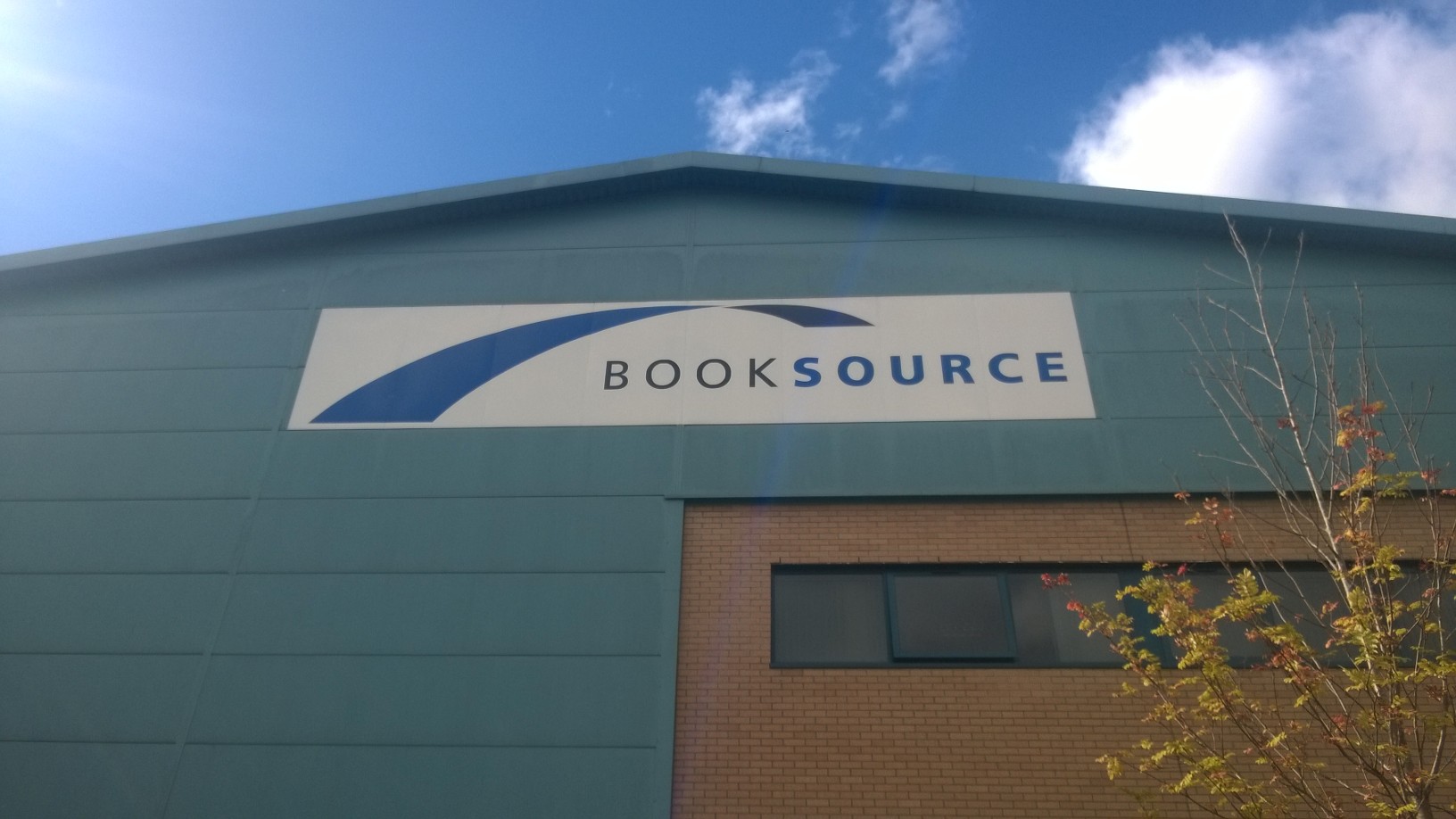
 It almost comes out of a book lover’s dream to wander in a building that houses 3.42 million books, but they’re mere units when you view it from a business perspective. This has almost halved in the last few years from 7.6 million; it isn’t a drop in business but indicative of industry changes. Publishers don’t house as much stock now Print On Demand exists, meaning that books can still fly of the shelves sales-wise, but not be sitting around waiting in a warehouse. It limits the risk of overprinting to quite so extreme proportions.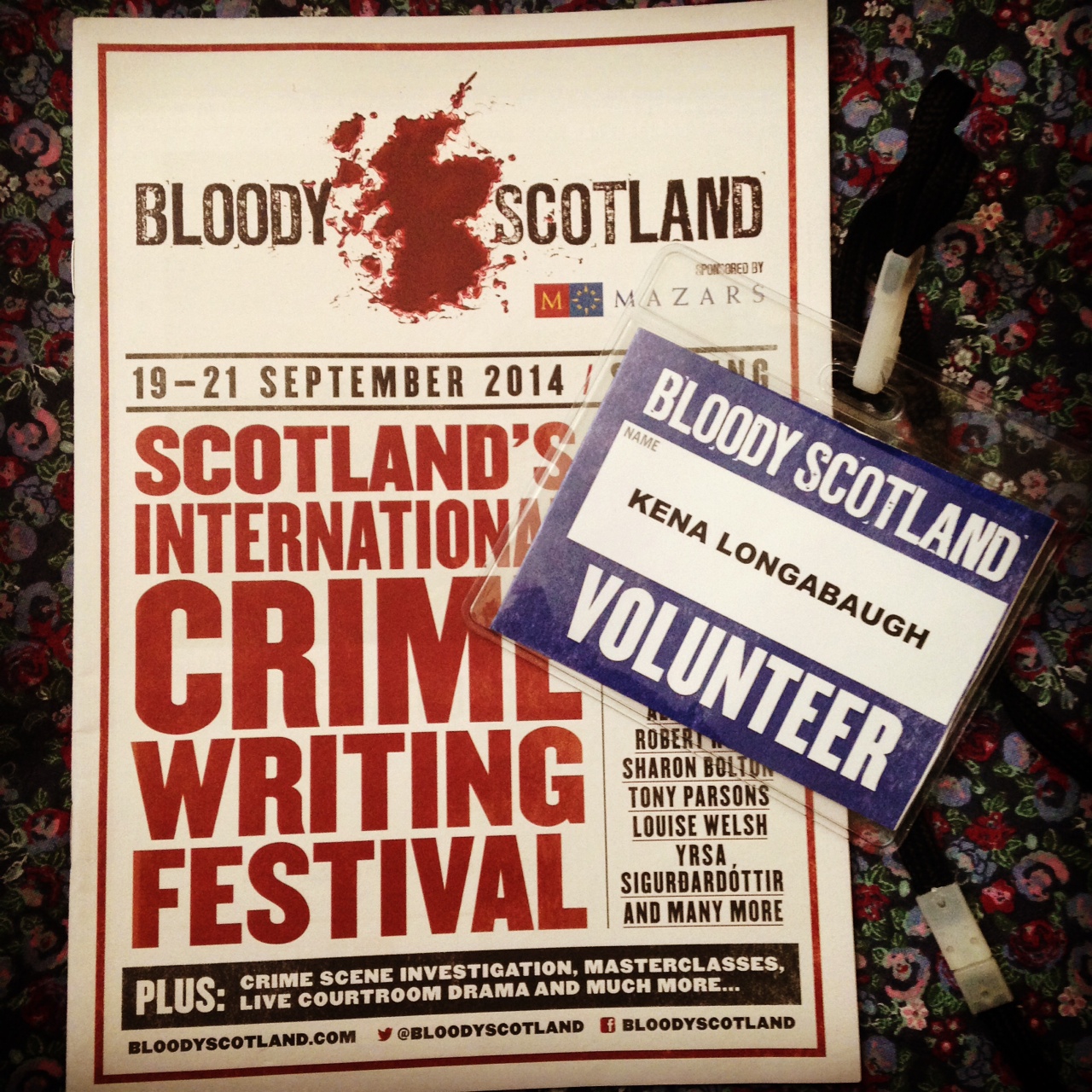
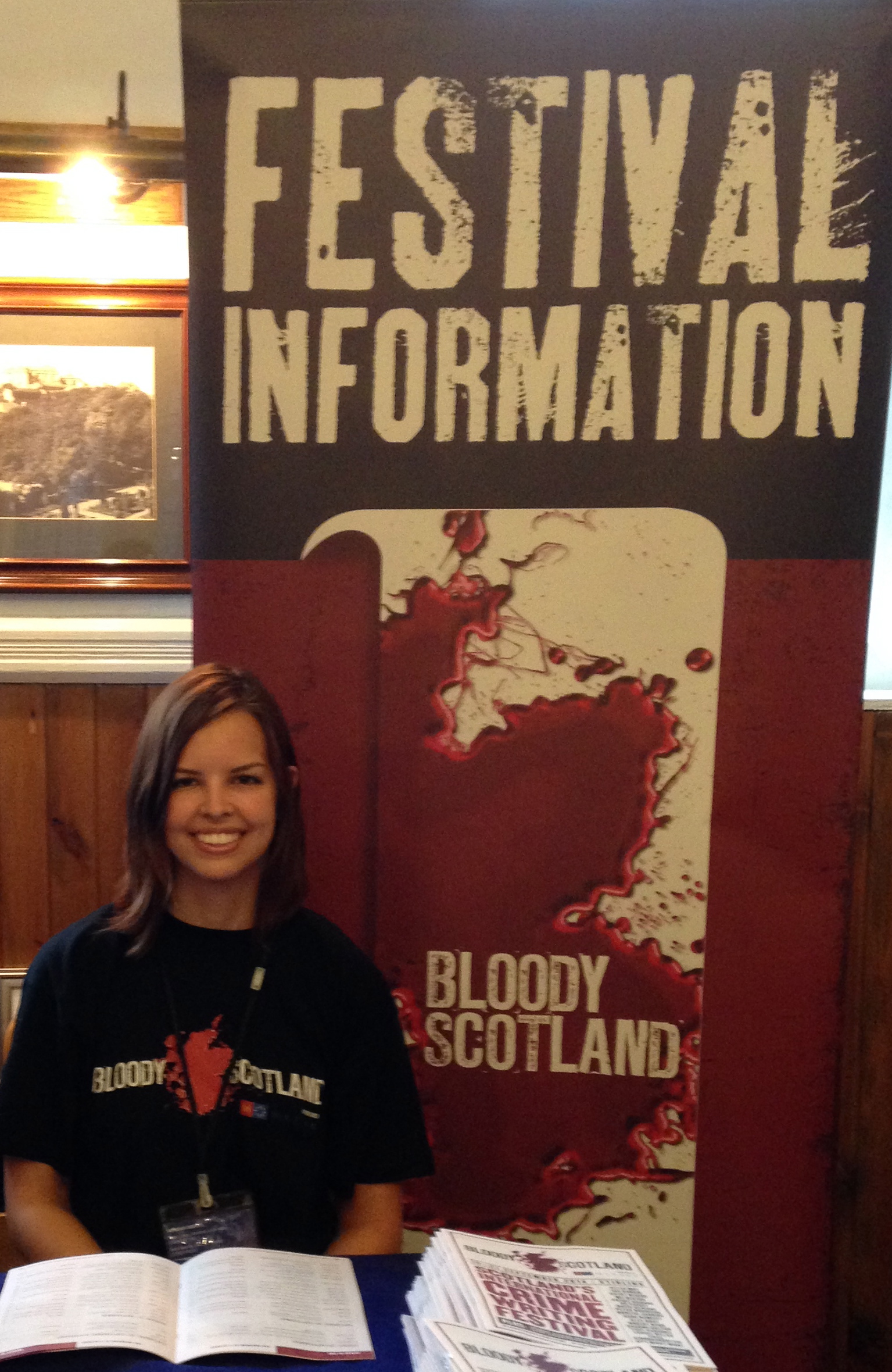
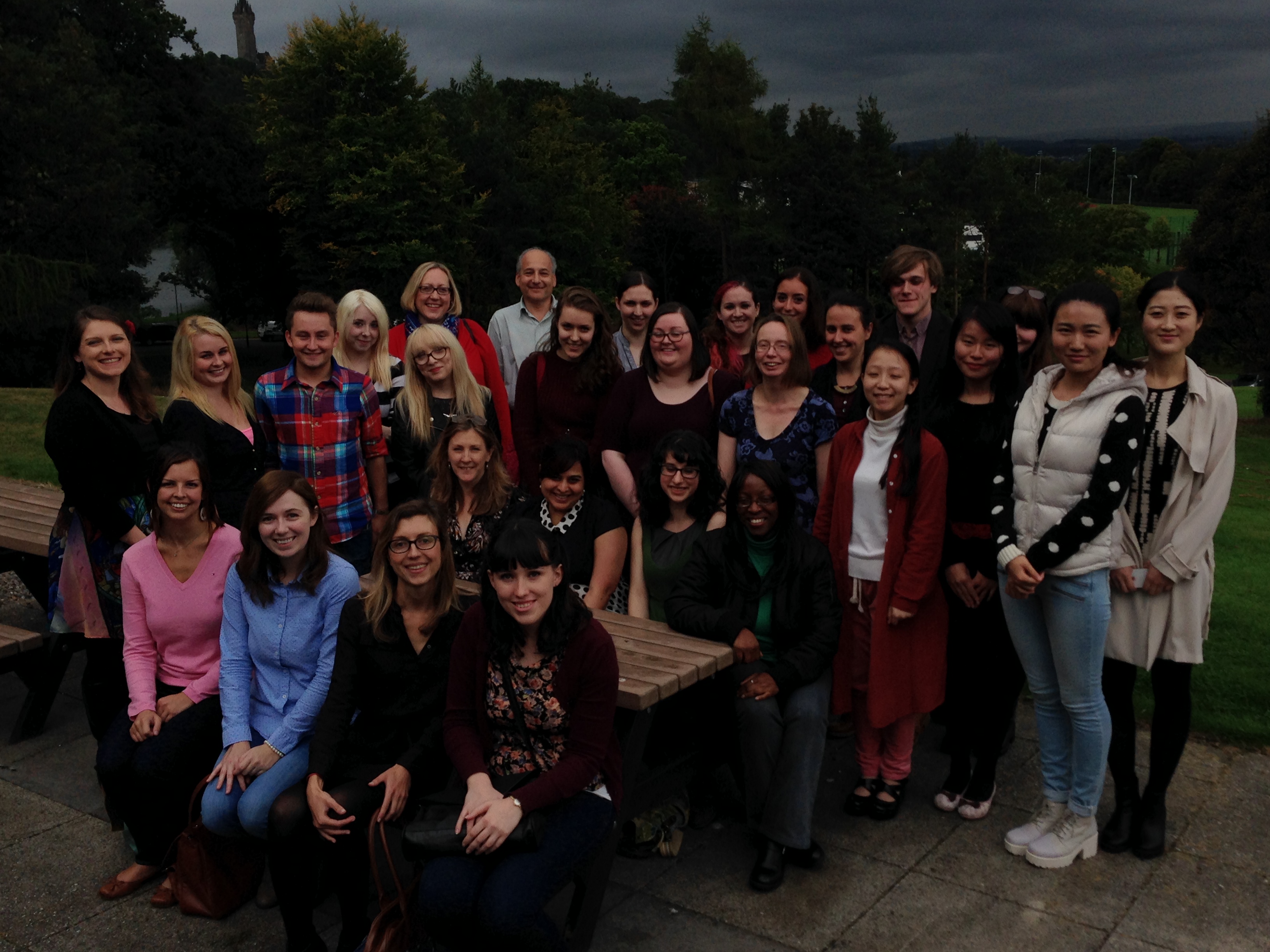
 Stevie Marsden reports on the launch of this year’s Bloody Scotland festival:
 I’m lucky enough to help in the co-ordination of the competition, and it’s really exciting to see undiscovered authors get the opportunity to have their work read by a worldwide audience; last year’s winner was US writer Mindy Quigley who won a landslide public vote for her story ‘


 A fairly new imprint of Freight Design, one of Scotland’s leading communications consultancies, Freight Books focuses on publishing ‘high quality fiction for an English-speaking readership’ and also produces Gutter magazine for new fiction.