Blog

Showcasing our Publishing Projects

May 19th, 2014 by Amalia Koulakioti | Posted in Blog | Comments Off on Showcasing our Publishing Projects
Tags: ,

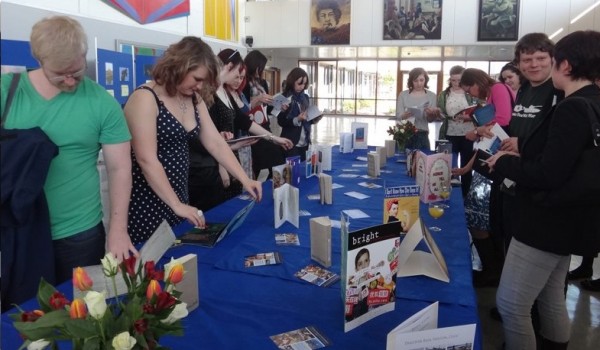
After months of struggling with our publishing projects and various other assignments, it was only fair to celebrate the end of the year by showcasing our work.

And by drinking good wine and socialising of course!

The day started with a Round Table on Publishing Research, including PhD and MRes Publishing students like Maxine Branagh, Paul Docherty, Carol Mango, Rachel Noorda, Anna Kiernan, Stevie Marsden and Louisa Preston, who gave a talk about their respective fields of expertise and about the projects they are undertaking.

The Round Table was chaired by Claire Squires, Director of the Stirling Centre for International Publishing and Communication.

Afterwards we had the chance to admire our publishing projects, while inspirational talks by our peers, Liam Crouse and Laura Jones and by Christoph Chesher were the finishing touch to a delightful day.

 My IMG_2442project is an illustrated collection of my fantasy fiction short stories, titled ‘Tales from the Moon’.

Keisha‘s project is a humorous approach on the teacher’s life and on various funny incidents that could happen inside a classroom.IMG_2432
 

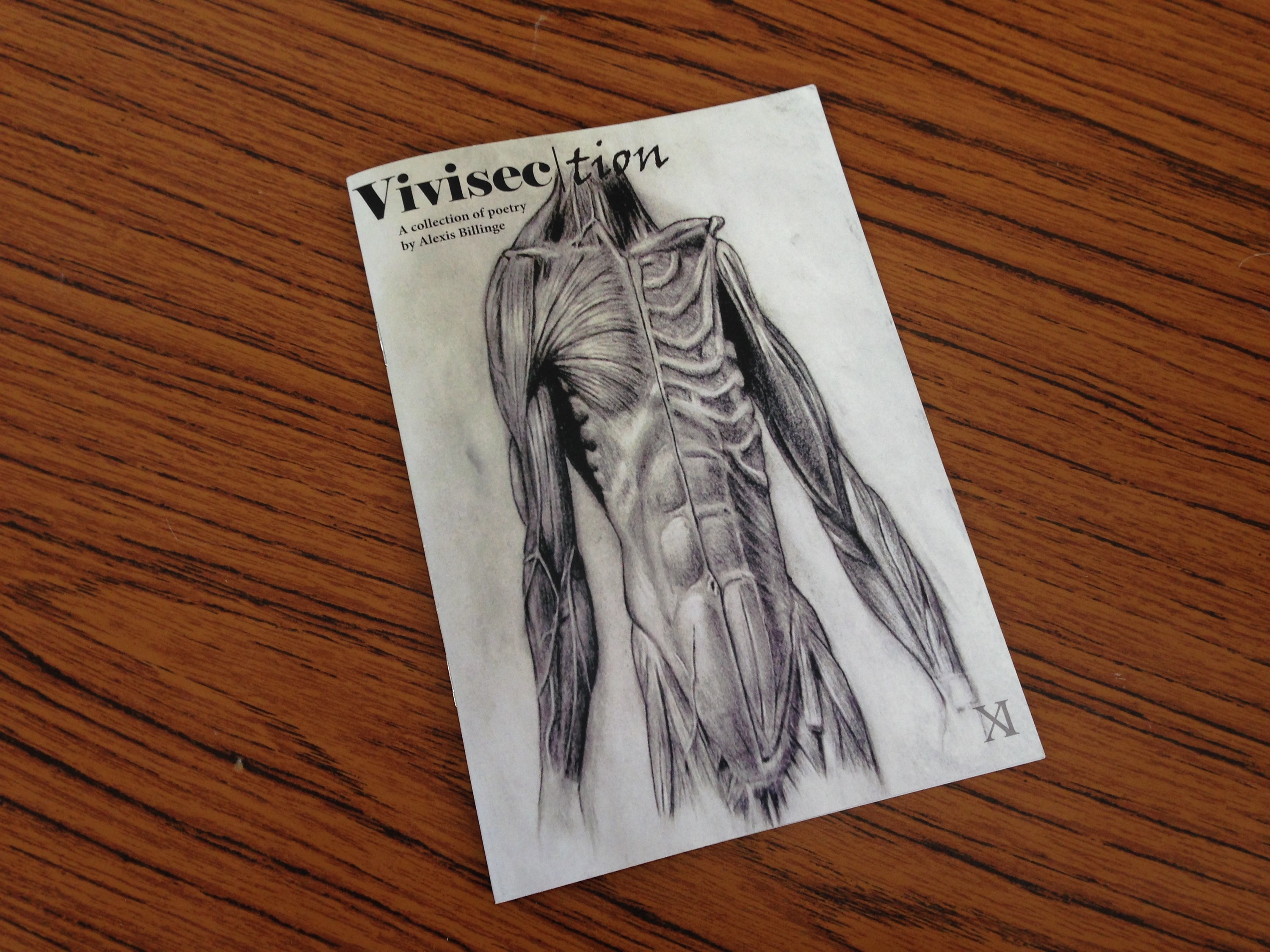
Alexis project is a compilation of her ‘macabre’ poetry, which contains elements from an anatomy lecture!IMG_2435
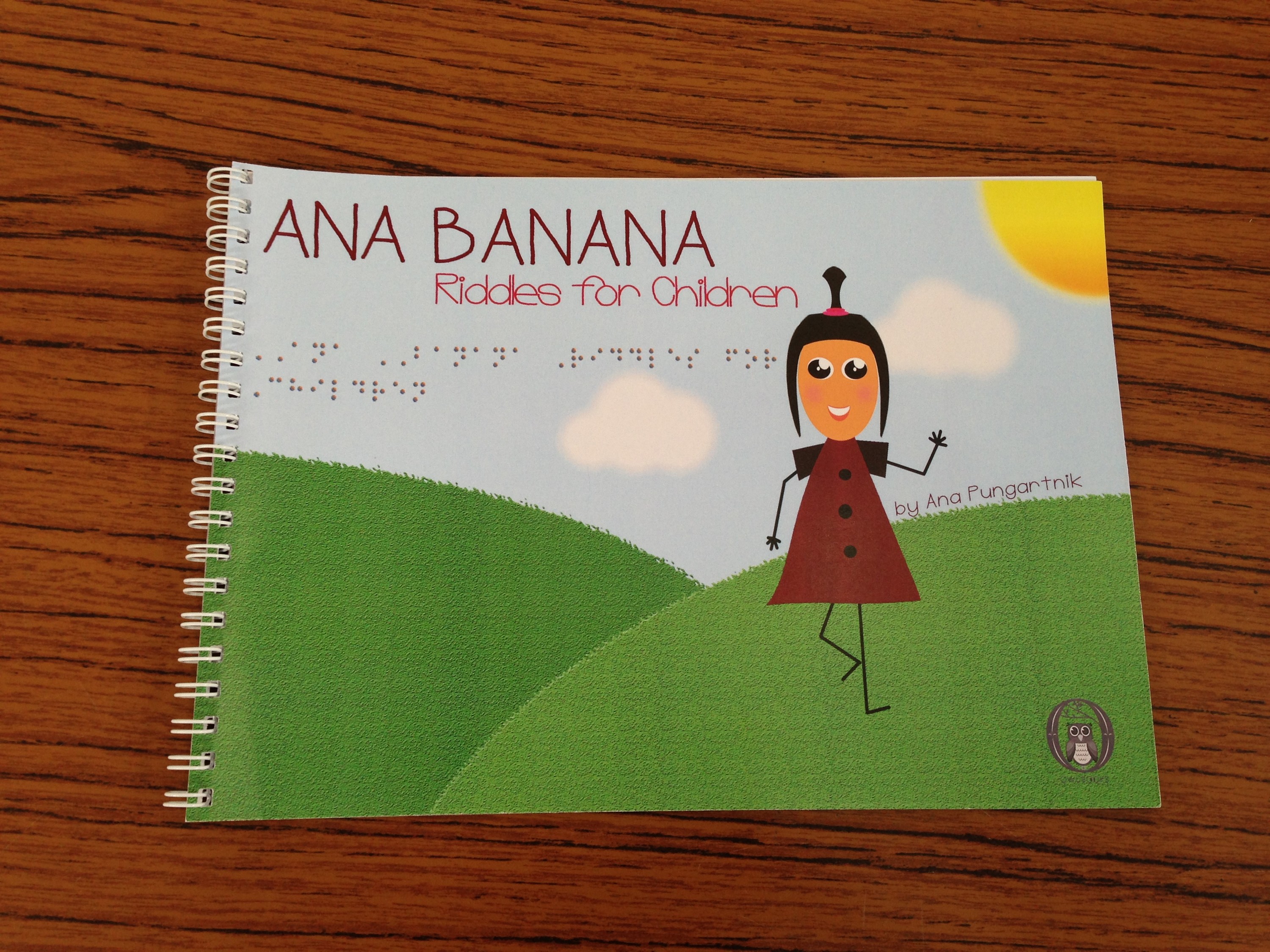
Ana created a children’s book in Braille, with riddles that rhyme and with illustrations as the answers.IMG_2438
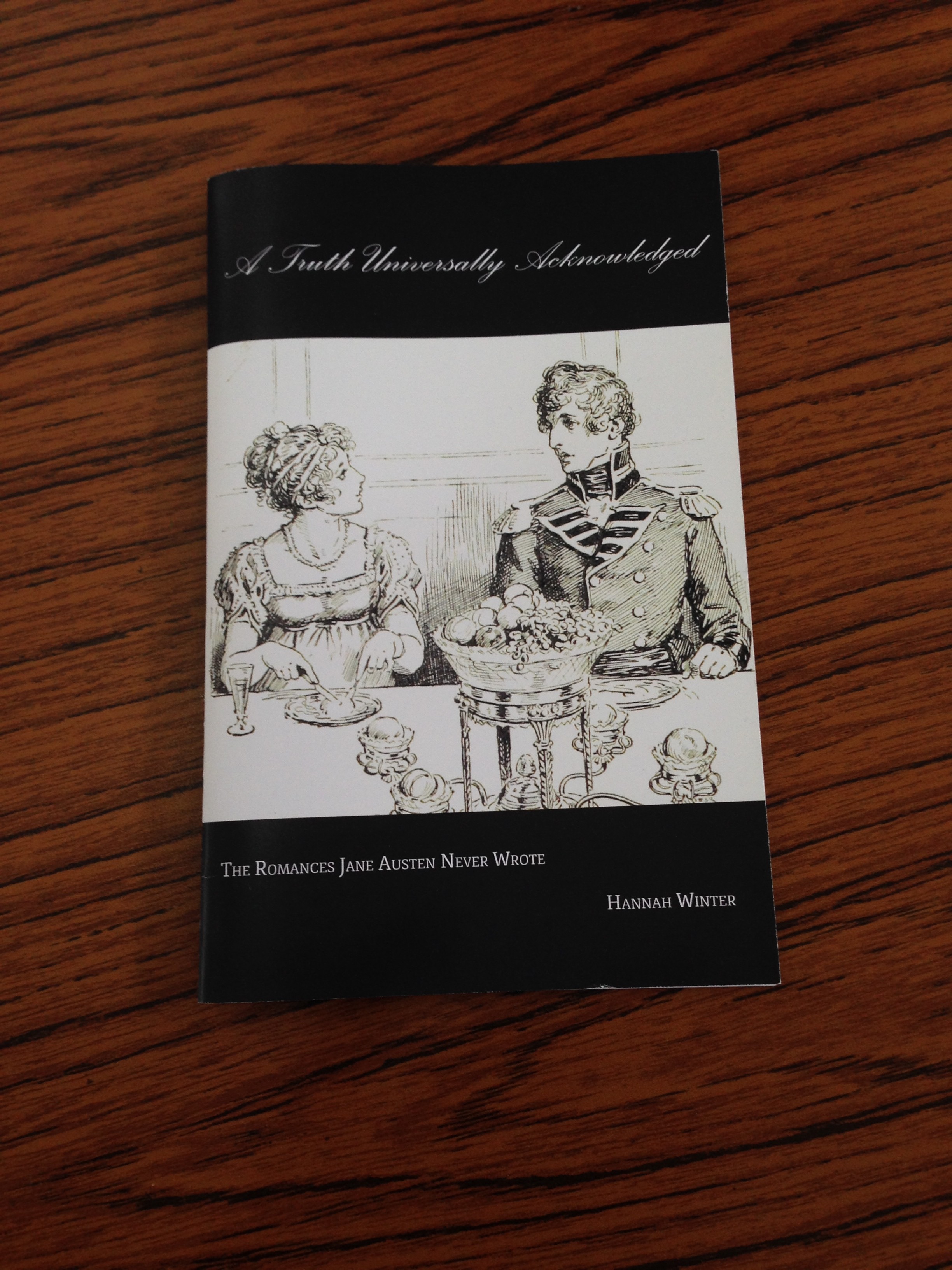
Fanny, paid a tribute to her beloved Jane Austen by creating an illustrated anthology of the ‘romances the acclaimed author never wrote’.
IMG_2443

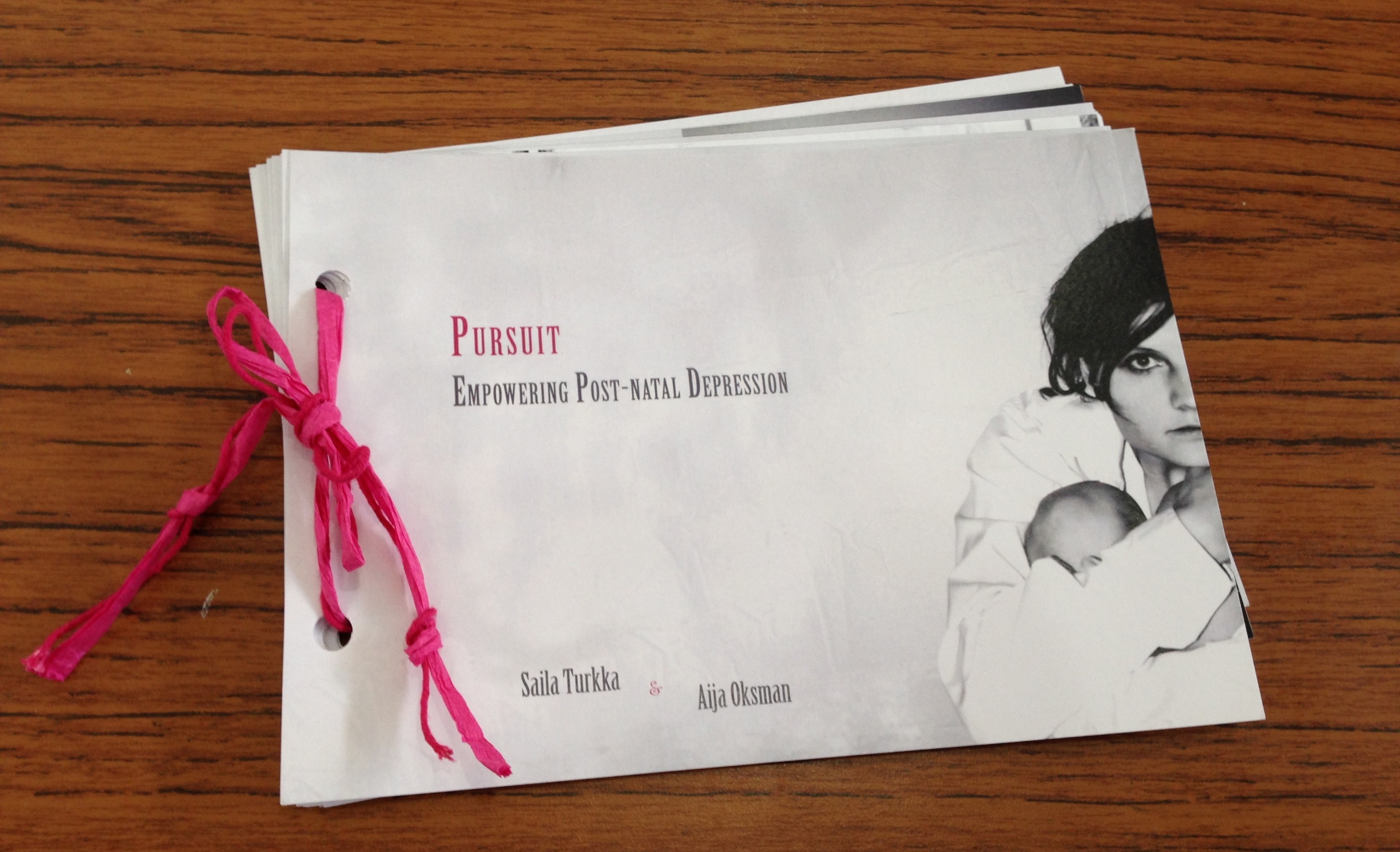
Aija demonstrated with her project how you can fight post natal depression through the photographic lens.IMG_2450
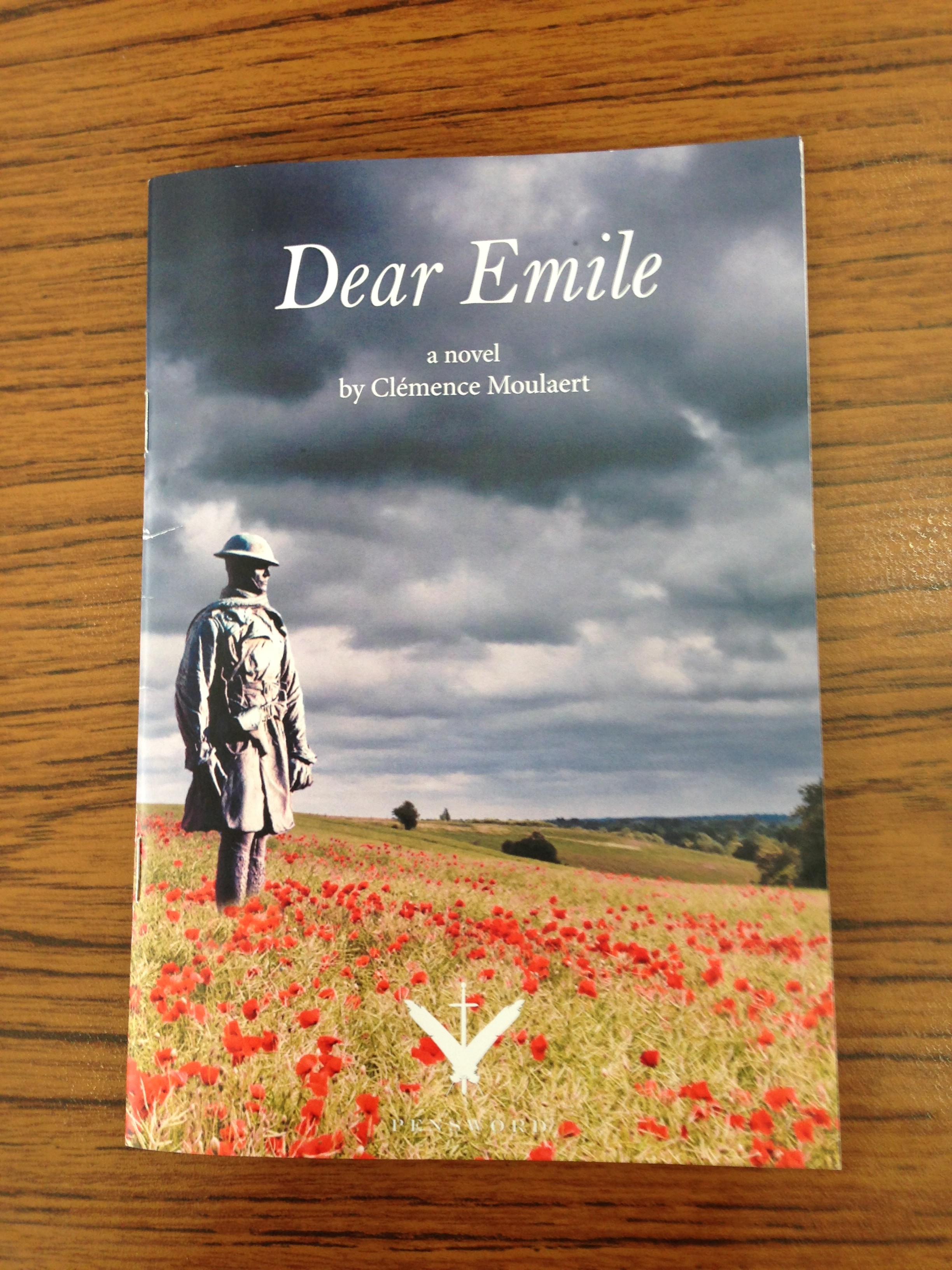
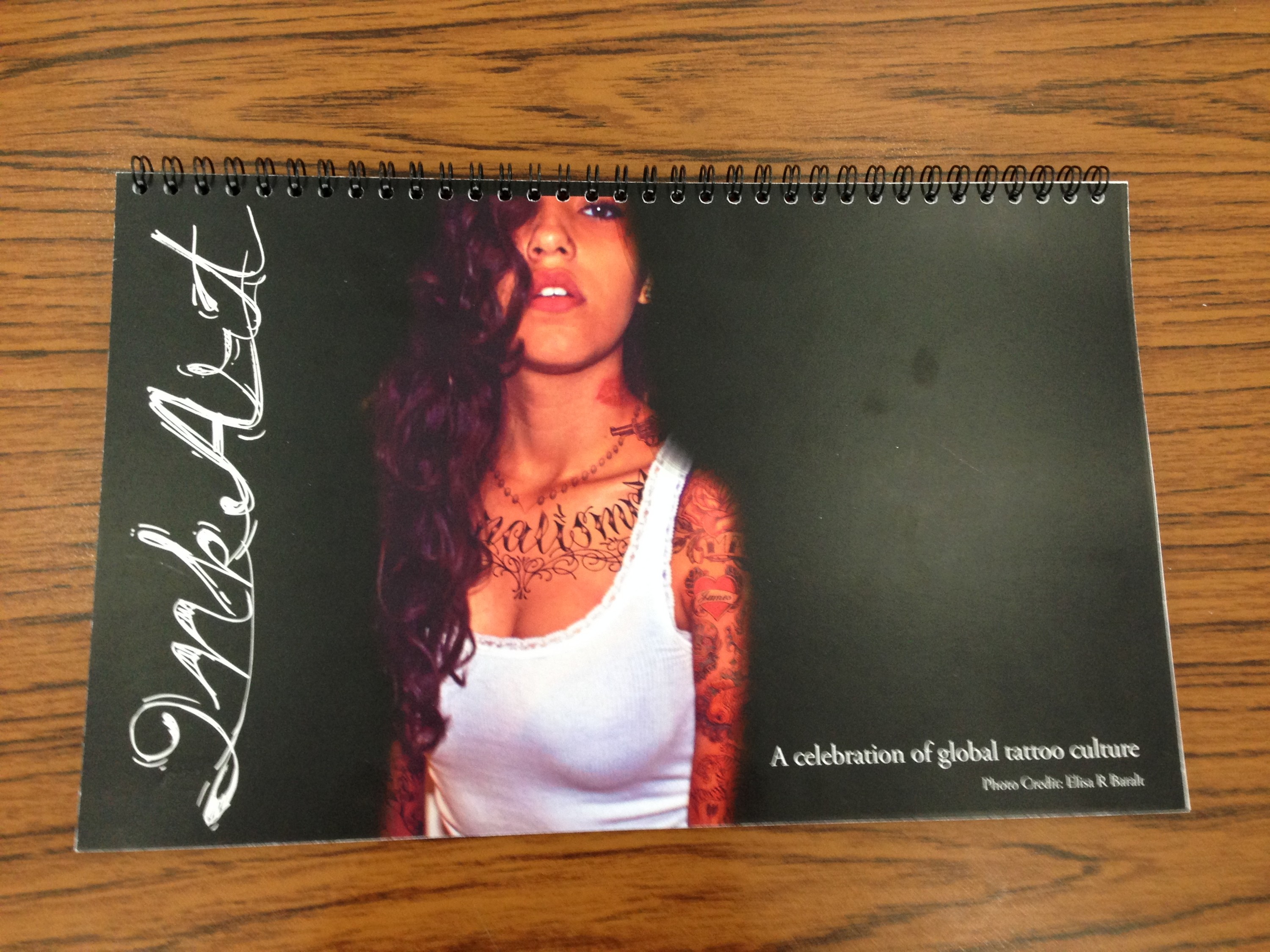
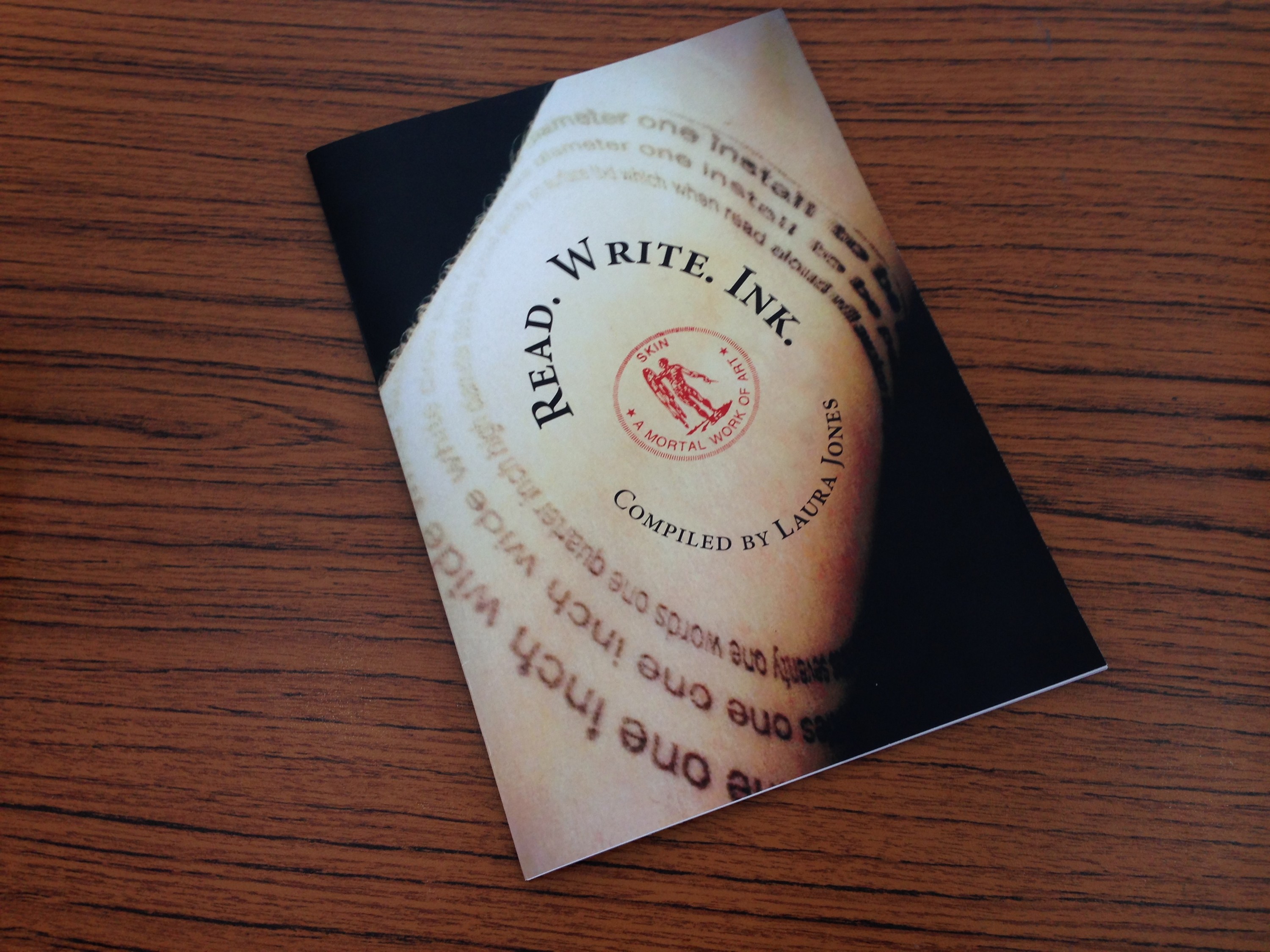
IMG_2452Clem’s project is a First World War romance novel, written by her, while Laura (Jones) put together a literary tattoo project, full of wonderful pictures.IMG_2456
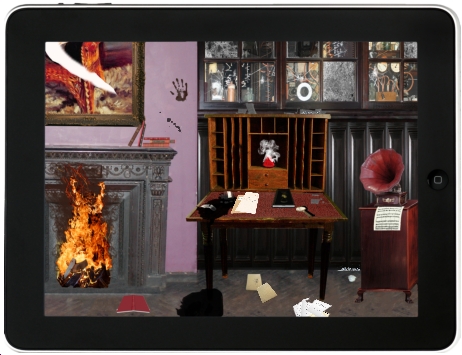
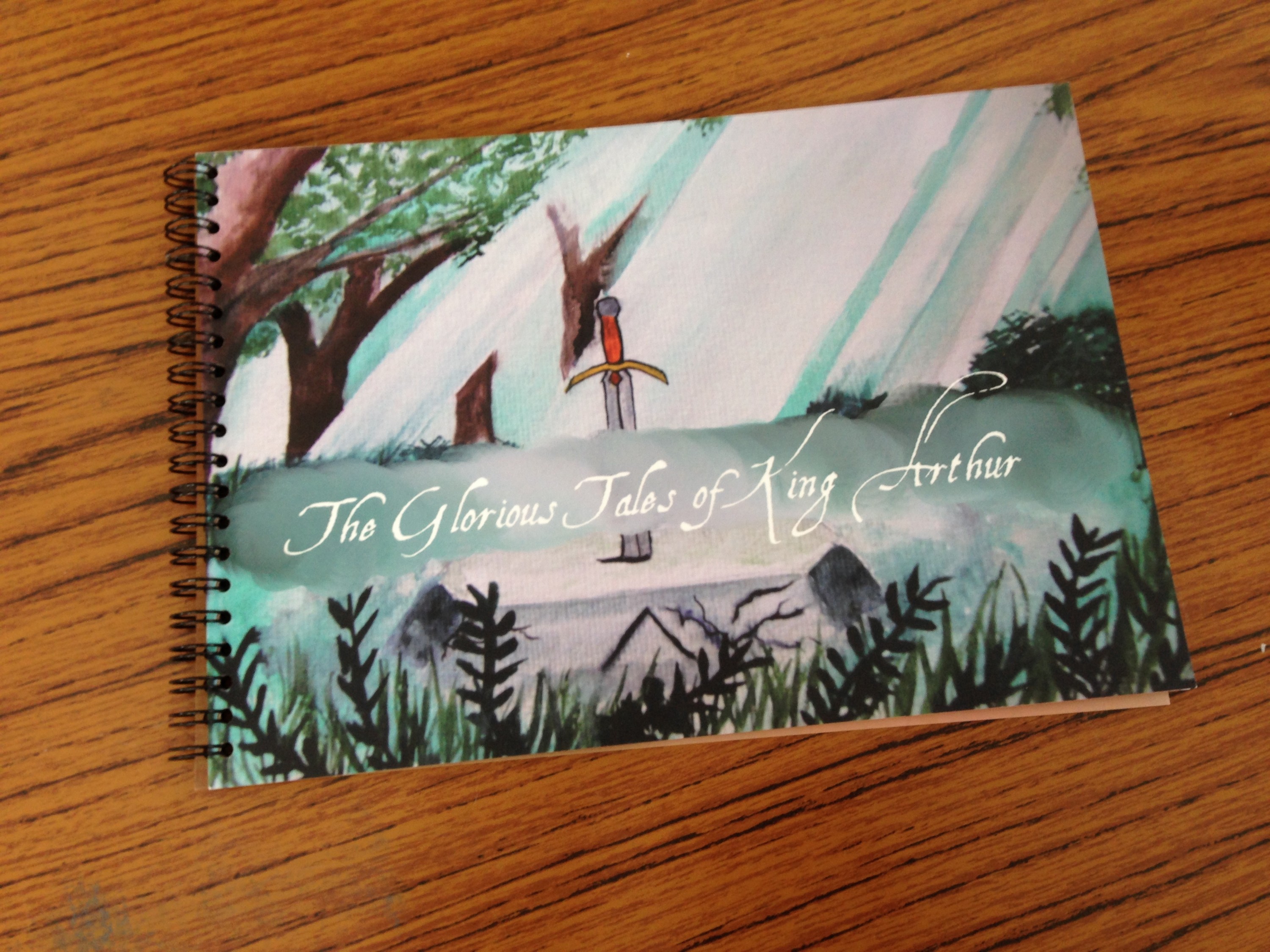
Jana developed her project as an app; a children’s book about the Arthurian legends.IMG_2460
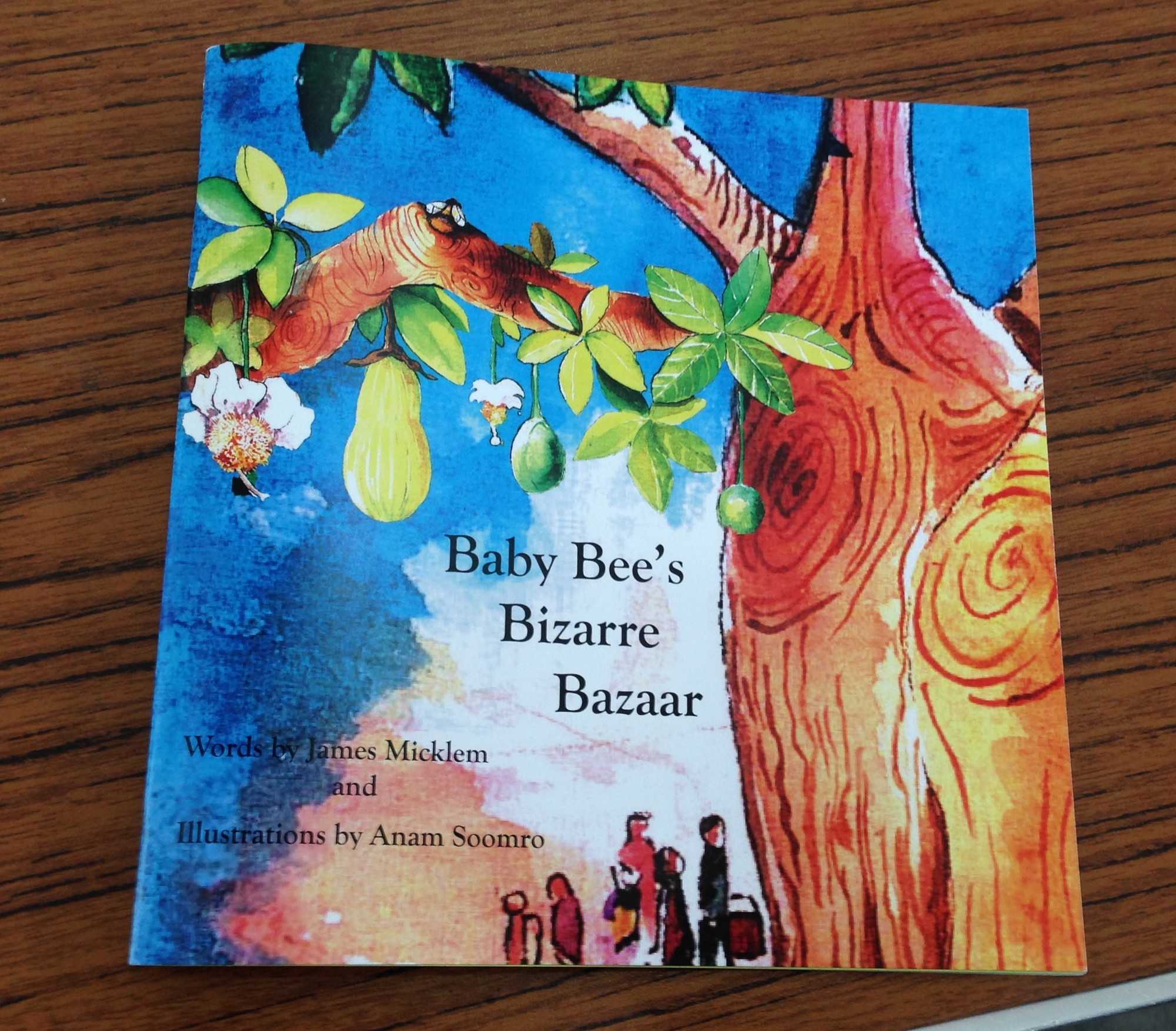
IMG_2464Rosie created a children’s book as well, one full of flowers and bees!

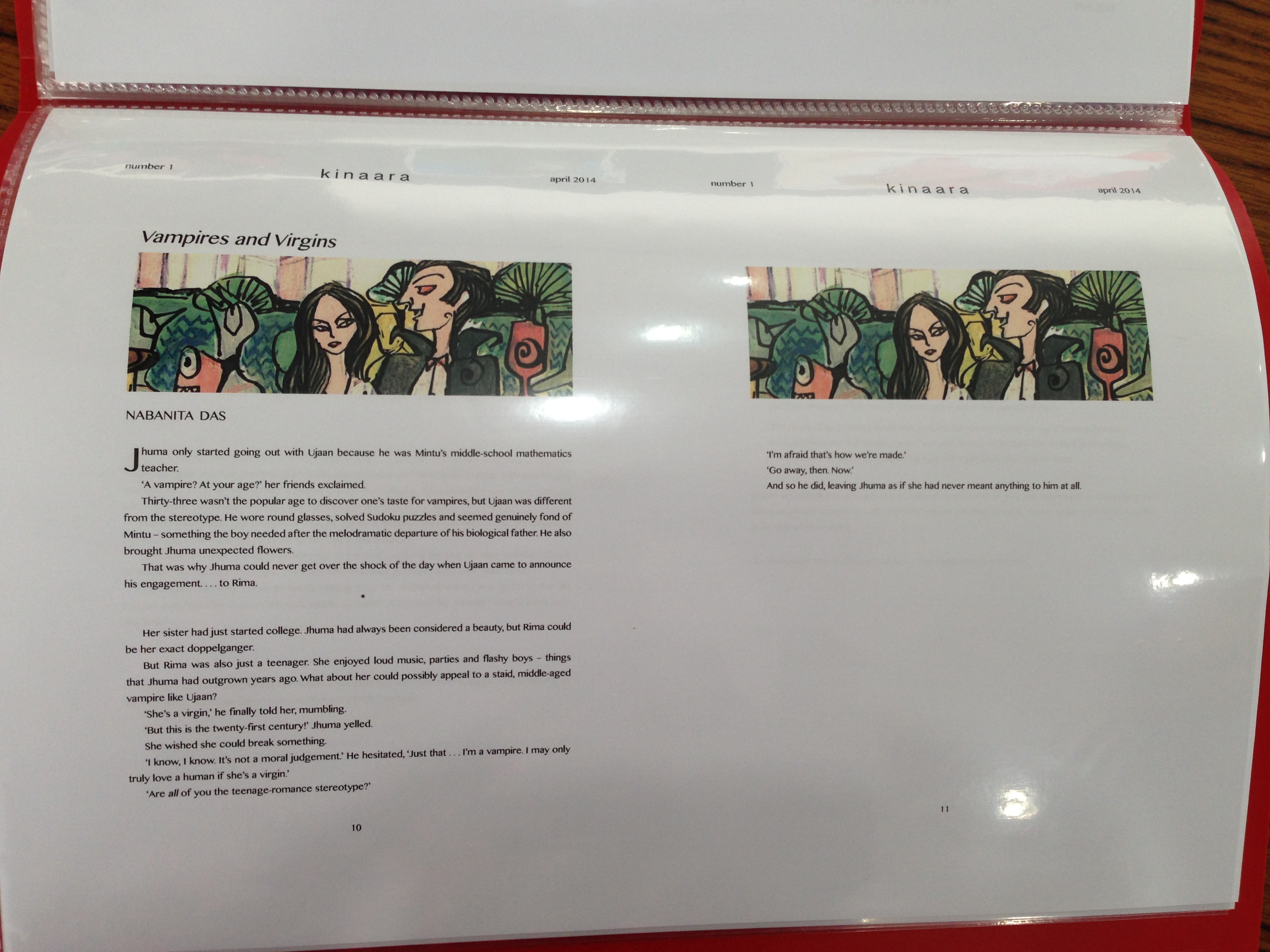
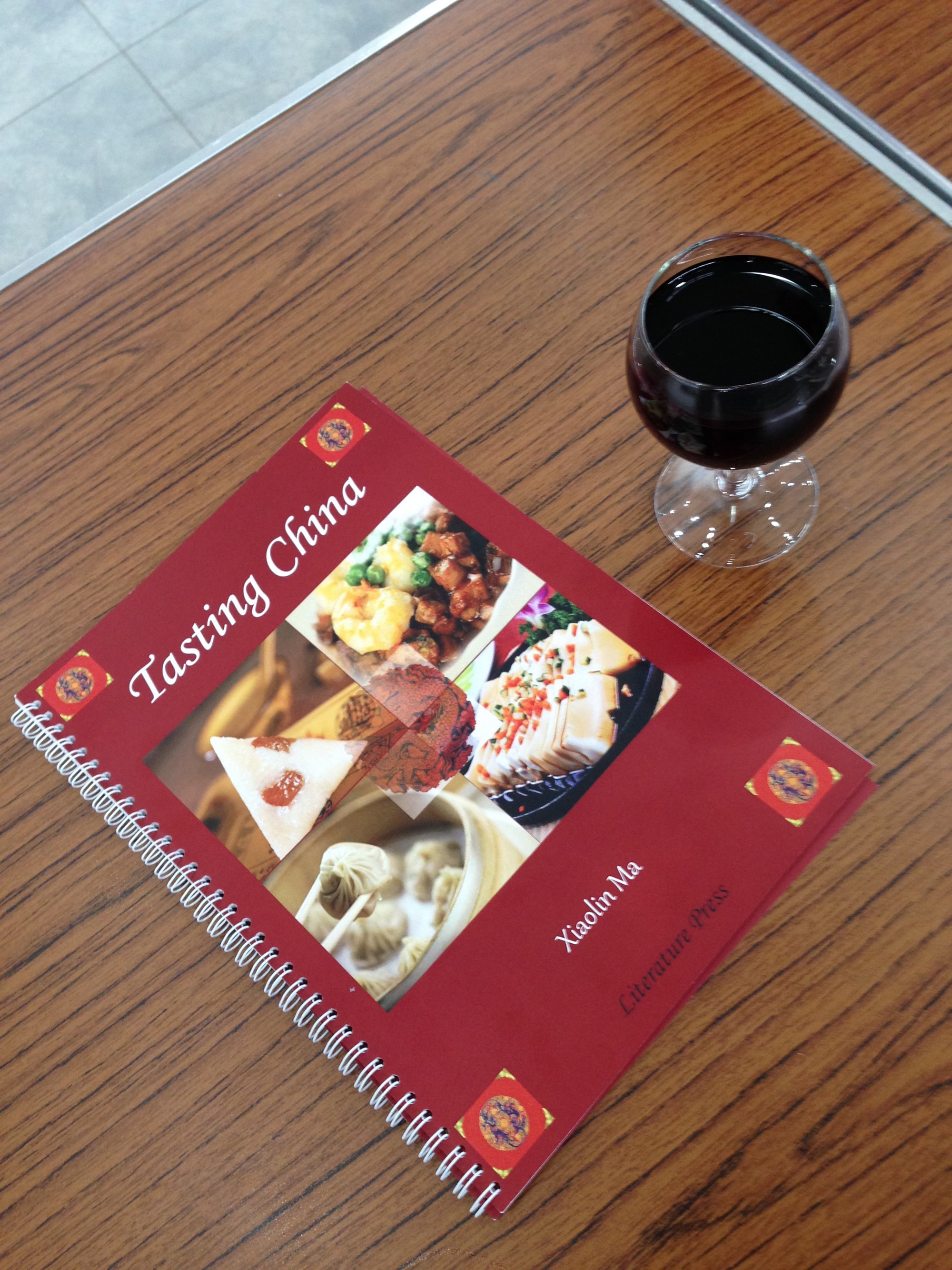
Min wrote and published poems about autumn, while Lim created a delicious cookery book with Chinese recipes.IMG_2468
IMG_2465

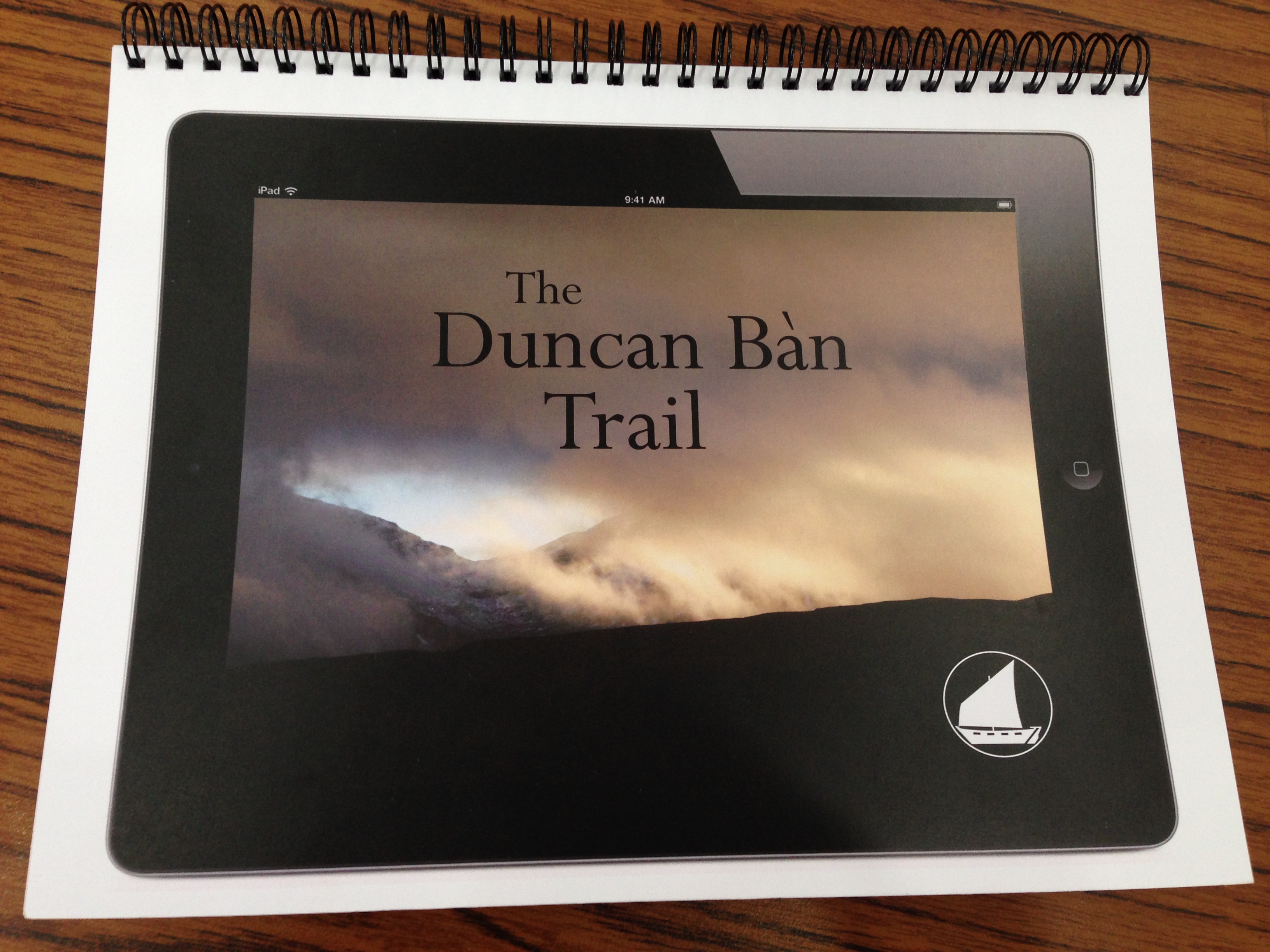
IMG_2471Monidipa developed a web magazine about fantasy and sci-fi fiction and Liam created an app with Gaelic poetry.IMG_2474
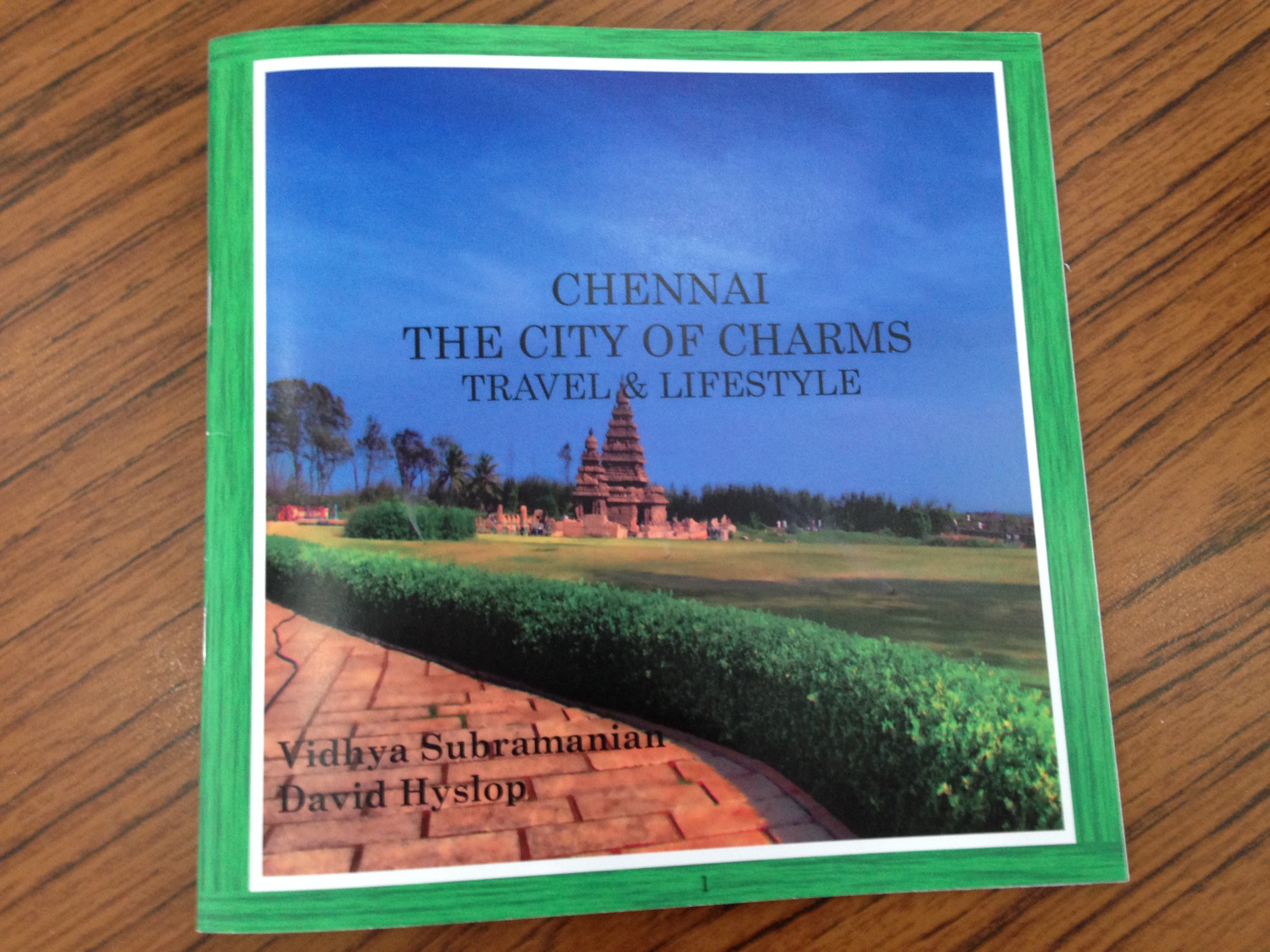
Vidhya’s project is a travel book about her hometown, Chennai in India.
IMG_2477

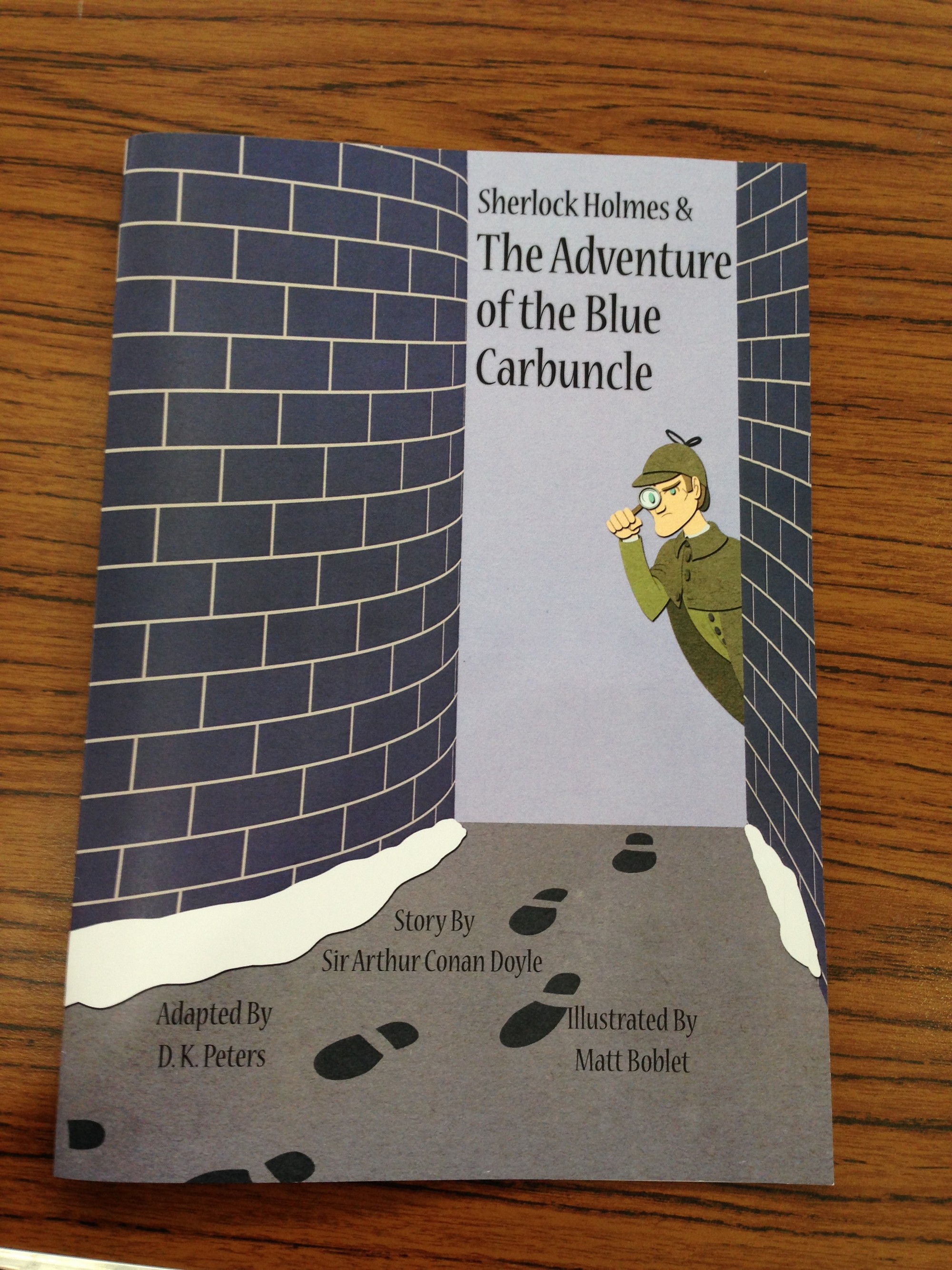
IMG_2481Laura (Muir), developed a web magazine about tattoos, and lastly Dana created a children’s book starring the most iconic detective of all times, Sherlock Holmes!IMG_2483
Scottish Publishing and Independence

May 14th, 2014 by cs48@stir.ac.uk | Posted in Blog | Comments Off on Scottish Publishing and Independence
Tags: , , ,

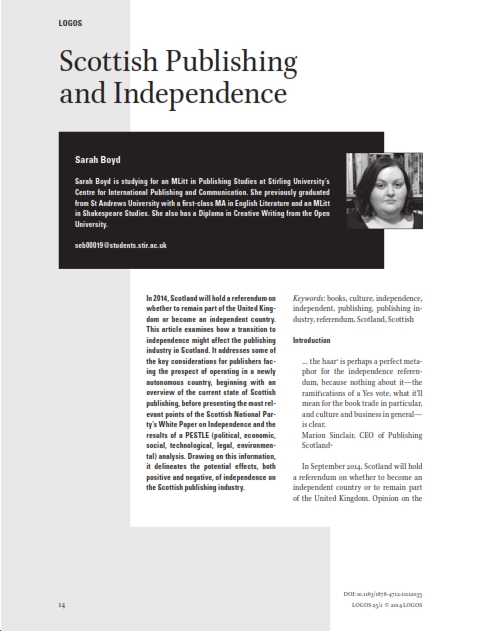
Scottish publishing and independenceSarah Boyd, an MLitt in Publishing Studies student at Stirling, has just had an article on ‘Scottish Publishing and Independence’ published in the journal Logos.

In the article, Sarah examines the challenges and opportunities for publishing if Scotland were to vote for Independence in the forthcoming referendum. It addresses key considerations, including the prospect of operating in a newly autonomous country, examining issues such as VAT, currency, content and market visibility.

The article originally was created as a course assignment for the MLitt in Publishing Studies. Professor Claire Squires, Director of the Stirling Centre for International Publishing and Communication, said: ‘We’re delighted that this article has been published. Our Centre is international in terms of where our students come from and where they end up working, but we’re also deeply immersed in and networked with the Scottish publishing environment. Sarah’s article makes a strong, unbiased contribution to the debate about whether Scottish publishing would be better served within existing UK frameworks, or within an independent Scotland or – indeed – whether it might be the case that not that much would change.’

The full article can be read here (with thanks to Logos for permission to reproduce the article).

Seeing the future through Google Glass

April 30th, 2014 by Liam Alastair Crouse | Posted in Blog | Comments Off on Seeing the future through Google Glass
Tags: , , ,

WP_20140306_0012‘The future is now!’ I’ve always found it good practice to begin blog posts with overused clichés.

‘Google Glass haters attack woman’ – well, not a cliché, but as titles of articles go, pretty catchy. Google Glass, which takes technology to a whole new level, has been met with both excitement and suspicion. One the one hand, the Glass comprises one cool (that’s ‘student speak’ for revolutionary) bit of technological synthesis. On the other, people are saying, sometimes rather facetiously: ‘Google? I’m sure they’ll make sure that none of this material turns up in the wrong place…’ Google? Aye, right.

But seriously, future, now. As part of my internship with HarperCollins UK (in Bishopbriggs), I managed to get into one of the Google Glass demonstrations recently. The Glasses are only currently available in the USA, and even then, they’re only trialling 10,000. HCP got a few over to the UK through their US branch.

There are a few glitches in them yet: they would respond to anyone speaking (not helpful if in a busy café or street); they couldn’t tell me how to get back to Rhode Island; and they really like taking pictures (I see what you did there, Google…). Taking a photo is so easy, in fact, it’s as easy as blinking. Actually, blink, and Google Glass will take a photo. Videos are just as stress-free – I’ll get back to that later.

They’re operated through finger swiping, voice commands, head tilting and a few other animations. They’ll perform a number of simple operations, such as searching Bing (just kidding, Google), video conference calls, translating – most of the things Google’s well known for. It even knew where the closest prison was (answer, just across the field!). Voice recognition was a bit trickier; they needed the token American (that’s me!) to say ‘share to Twitter’, as the Scottish accent hasn’t been programmed in yet. I’ll let that one slide, as they are only supposed to be dealing with the American twang just now.

The translation feature was mind-boggling. A co-worker brought in a piece of Spanish poetry and when we looked at it through the Glasses, the English translation was superimposed over the text – as if the Spanish wasn’t even there. Just keep in mind, the translation’s only as good as Google Translate is – so a bit lacking. But for travel and the like (I’m thinking menus and road signs), you’d do worse then walking around being able to read everything in a foreign country! Consider the ramifications for foreign rights sales for publishing if these were to catch on…

So, videos. You’re out in a club, doing silly things, and someone’s recording. People already do that with cameras/smartphones, right? Well, you can’t really tell if someone’s taking a photo or recording you with these. It’s a bit invasive on a few fronts. Due to a range of questions concerning privacy, spying, and surveillance (something which Google is really good at doing at a profit), they’ve already been banned in a number of locations (and they’re not even on the market yet!).

Furthermore, a lady was fined in the US for driving while operating Google Glasses. Although technically not against the law, the authorities finagled the rules to charge her with operating a TV/monitor while operating a motor vehicle. As well, in February, a woman was ‘attacked’ by ‘haters’ in San Francisco when she refused to remove her glasses (Telegraph, 26 Feb). So begins the revolution.

Or rather, in a few months (?), when they’re released at long last. They’re currently upwards of $1,500 a glass, but they’re estimated to retail around $600. Battery power only lasts around 2 hours just now, but I think that with the rapidity of technological evolution which drives these things, that might be sorted out soon. Who knows, at the end of this year, you may be buying a Google Glass add-on for your loved one’s prescriptions for Christmas.


Publishing Showcase 2014

April 24th, 2014 by cs48@stir.ac.uk | Posted in Blog | Comments Off on Publishing Showcase 2014
Tags: , , ,

We’re already nearing the end of classes for 2013-14!
Only a moment ago, our 2013-14 cohort of MLitt in Publishing Studies students were fresh-faced and eager to embark on their publishing studies.

Now, they may be a little more tired, and both excited and intimidated by the job search ahead, but more than anything they’re much more publishing savvy.

We’re celebrating their achievements on Monday 12 May by showcasing their work from the Publishing Project. There will also be invited guests from our Industry Advisory Board, and a selection of our PhD and MRes students speaking in a round table about publishing studies research.

You are welcome to join us to either or both parts of the afternoon – please let us know if you’d like to come so we have an idea of numbers.

3-4.15pm Round Table on Publishing Research (Chaired by Claire Squires, with Maxine Branagh, Paul Docherty, Carol Mango, Rachel Noorda, Anna Kiernan, Stevie Marsden and Louisa Preston). Pathfoot B2

4.30pm onwards Publishing Showcase and Drinks Reception. Pathfoot Crush Hall.

Martins the Printers

April 24th, 2014 by Aija | Posted in Blog | Comments Off on Martins the Printers
Tags: , , , , , , , , , , , ,

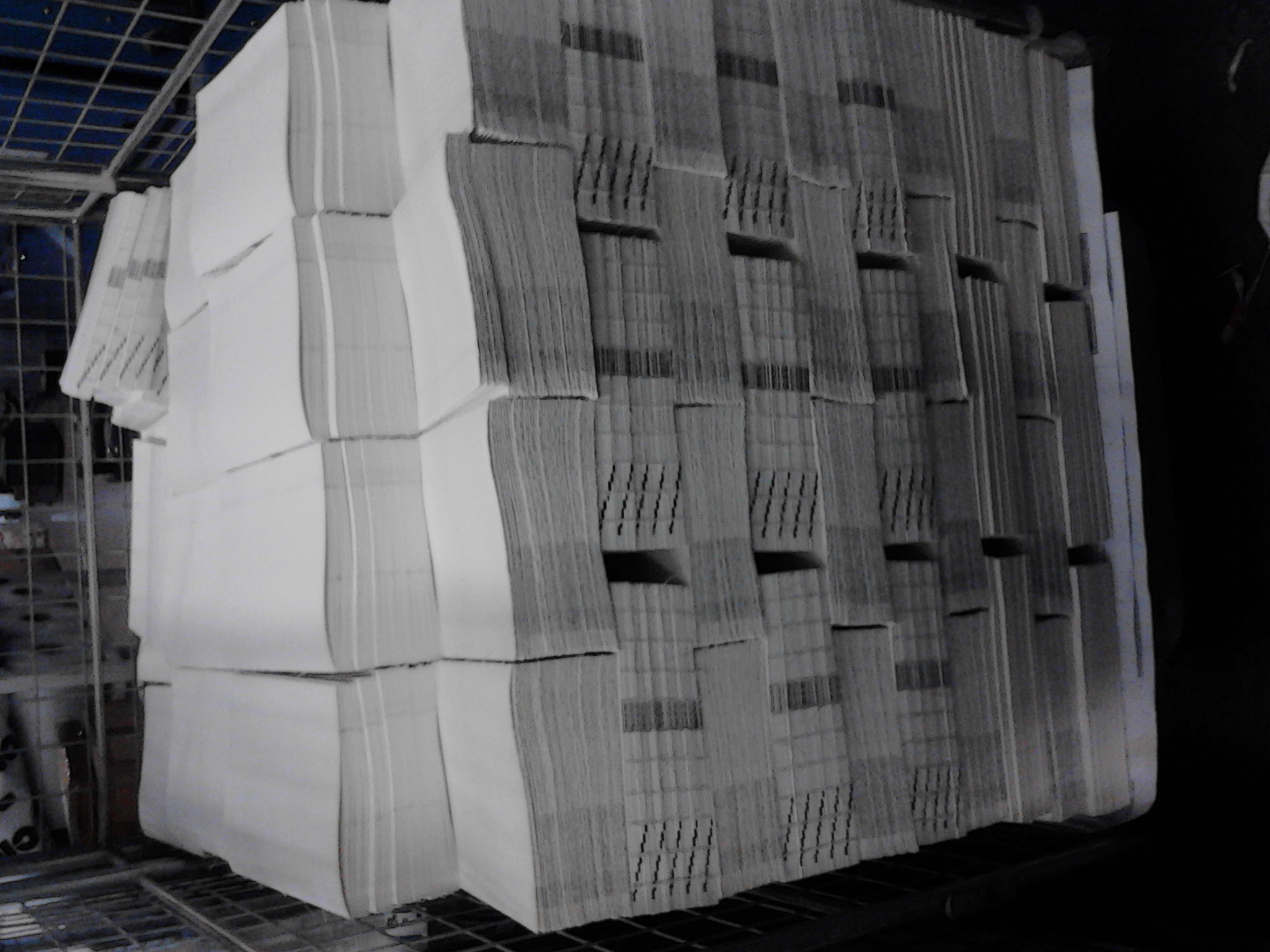
How are books made? If you ask a publishing student, you are in for an earful on the wading through a pile of slush in the hopes of discovering the next Hunger Games-trilogy or the next Booker Prize winner – something that stirs either financially or inspirationally. After that you will get an in-depth description of the editing and the decision-making processes all the way from typesetting, cover design to the final version. You might hear about the printing but the emphasis definitely is in the processes pre- and post-printing. That is what we know. That is what we can do. A publisher would not explain the whole printing process not as much for the lack of knowledge than for the fact of it being very mechanical and very distant form the publisher’s actual job. Therefore, the class of 2014 was in for a treat when we got to visit Martins the Printers at Berwick-upon-Tweed and get that rare glimpse to the inner workings of the printers.

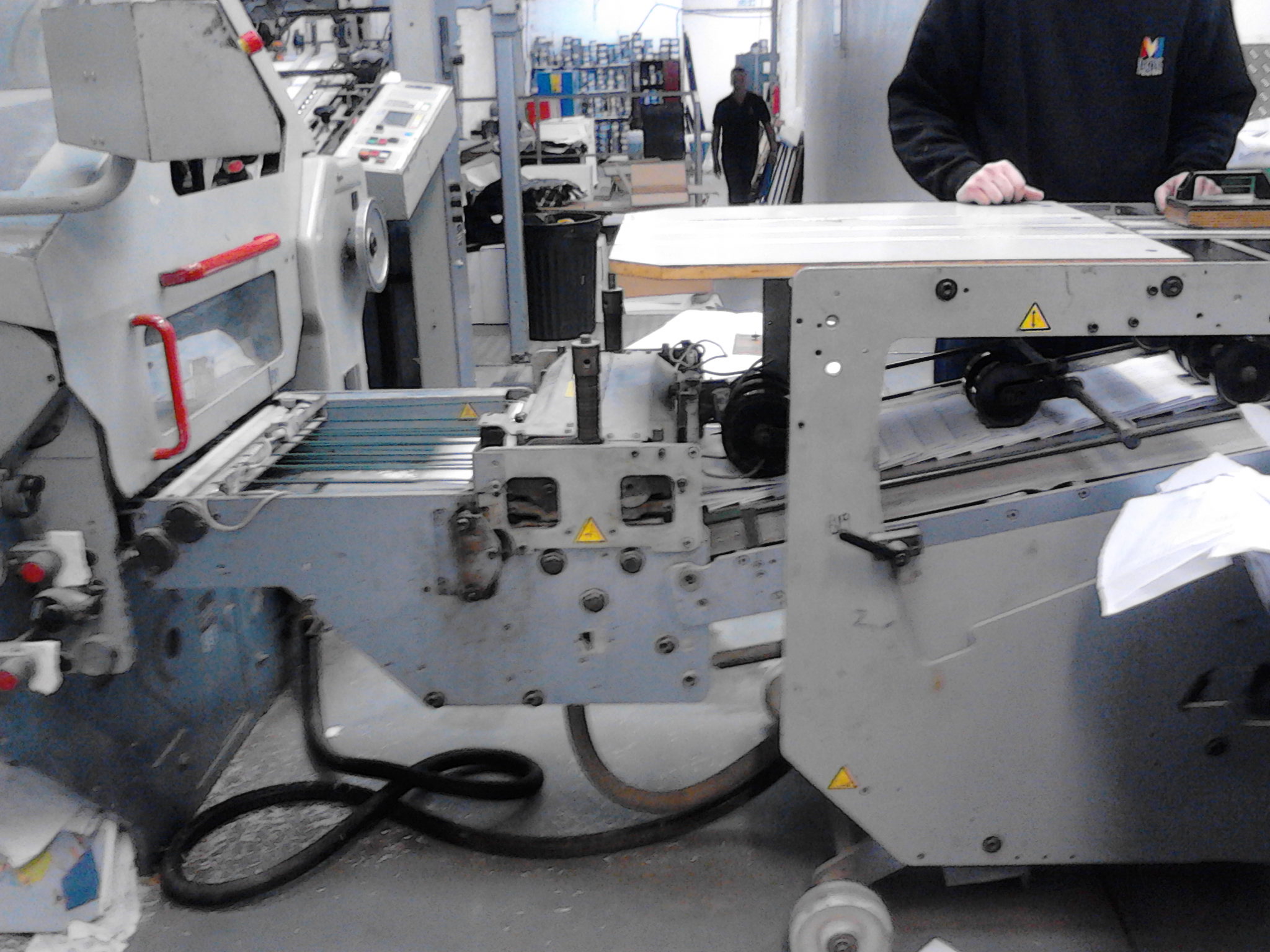
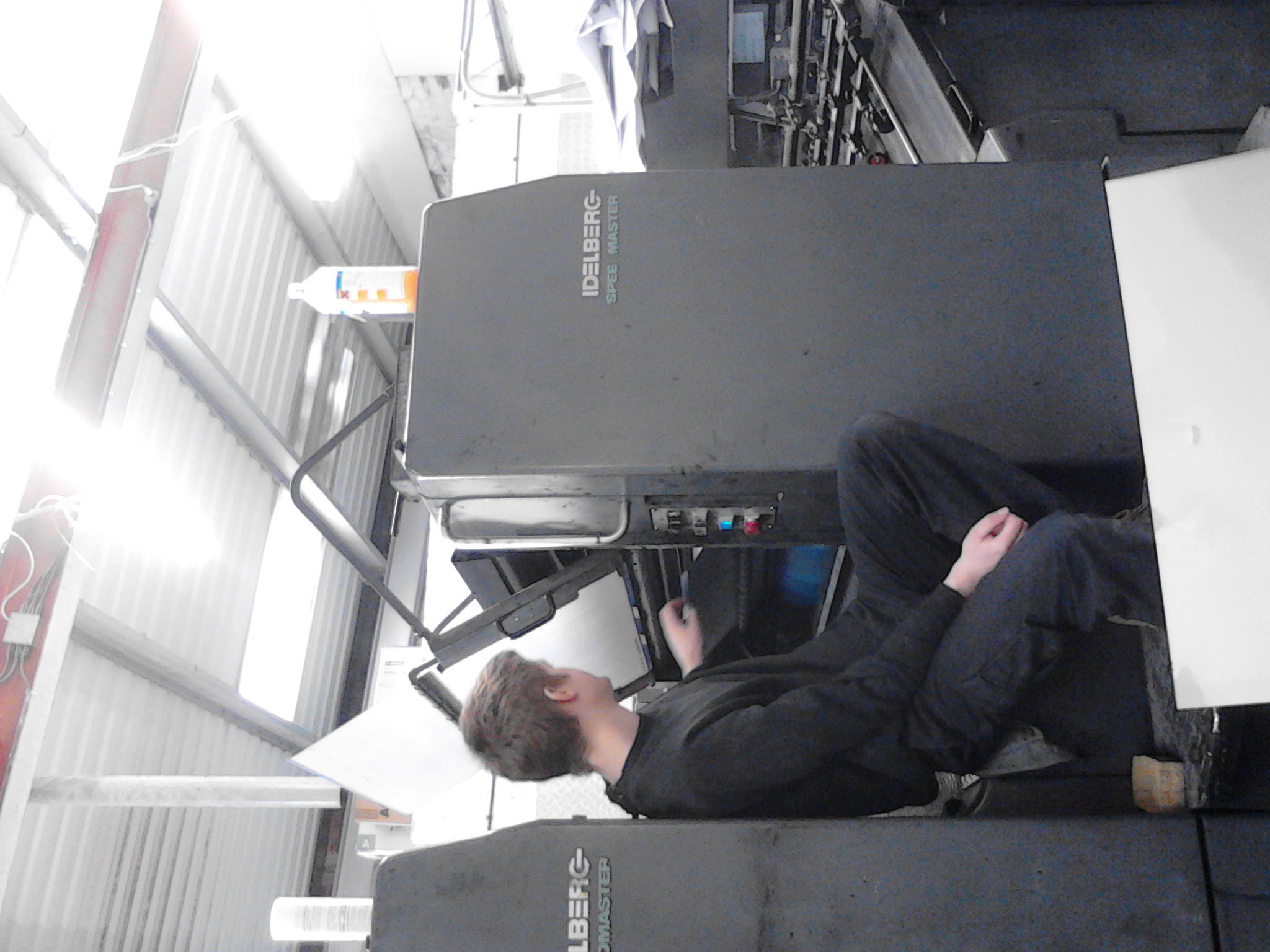
David Martin, the sales director at Martins the Printers, kindly welcomed our group and gave us some history to the printers (printing since 1892 with newspapers and since 1950s they have focused on books) before unleashing us in two smaller groups to the belly of printers. Our guide Paul Waugh took us through each of the specific processes required in making a book, showing us the function of each machine and explaining in detail the time frames, the order in which each step is made and the differences between litho and digital publishing. As David and Paul both emphasised that is good for us young publishing hopefuls to know: the biggest differences that have come up through developments in printing is the effective cuts in costs; no more warehousing and the whole process is becoming faster and cheaper, enabling publishers to keep up with times and move their stock much easier – and this is definitely where the future of publishing is steadily moving towards.

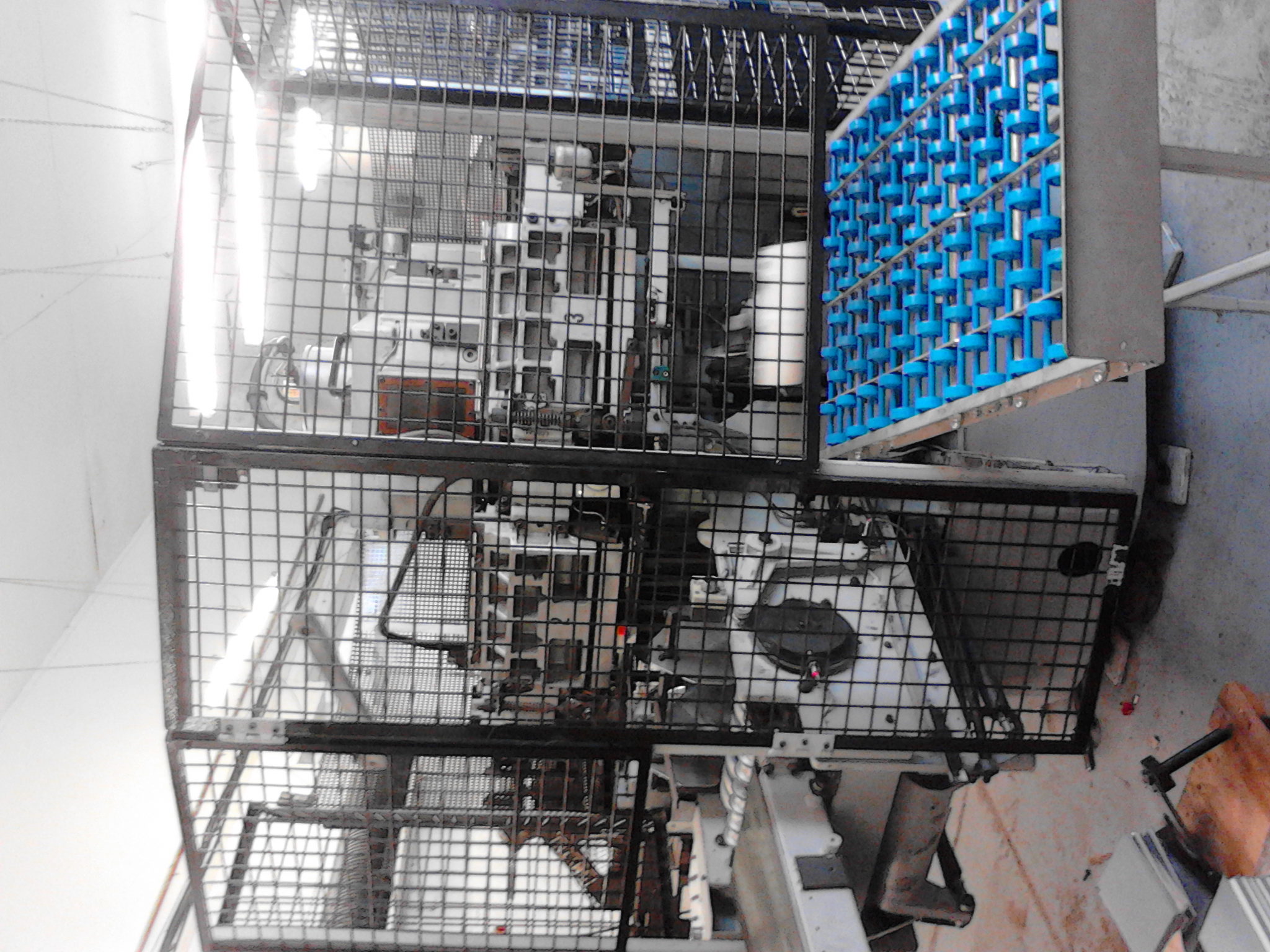
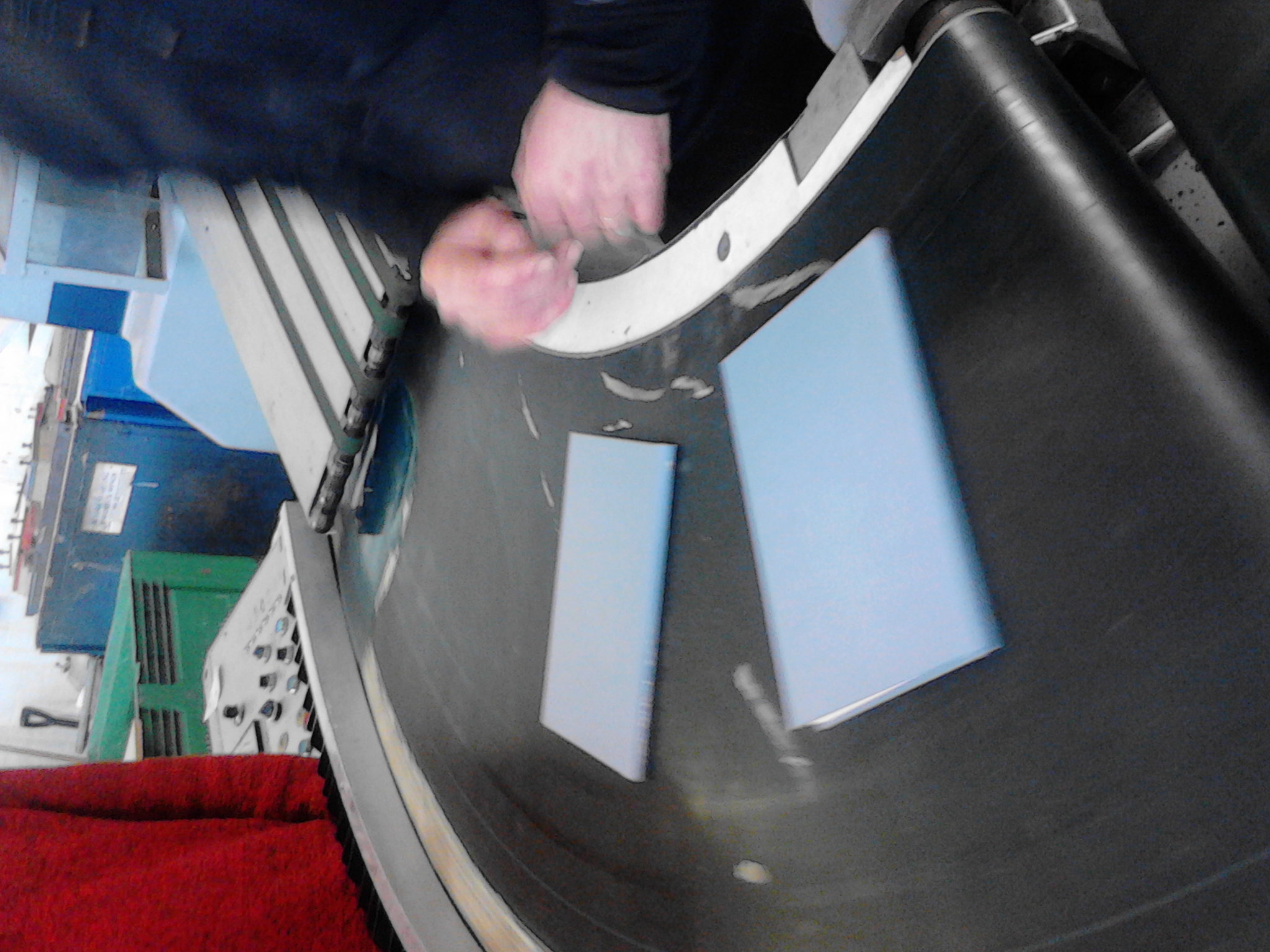
The best way to show the process of printing is to visualise it through the snapshots taken through our tour.

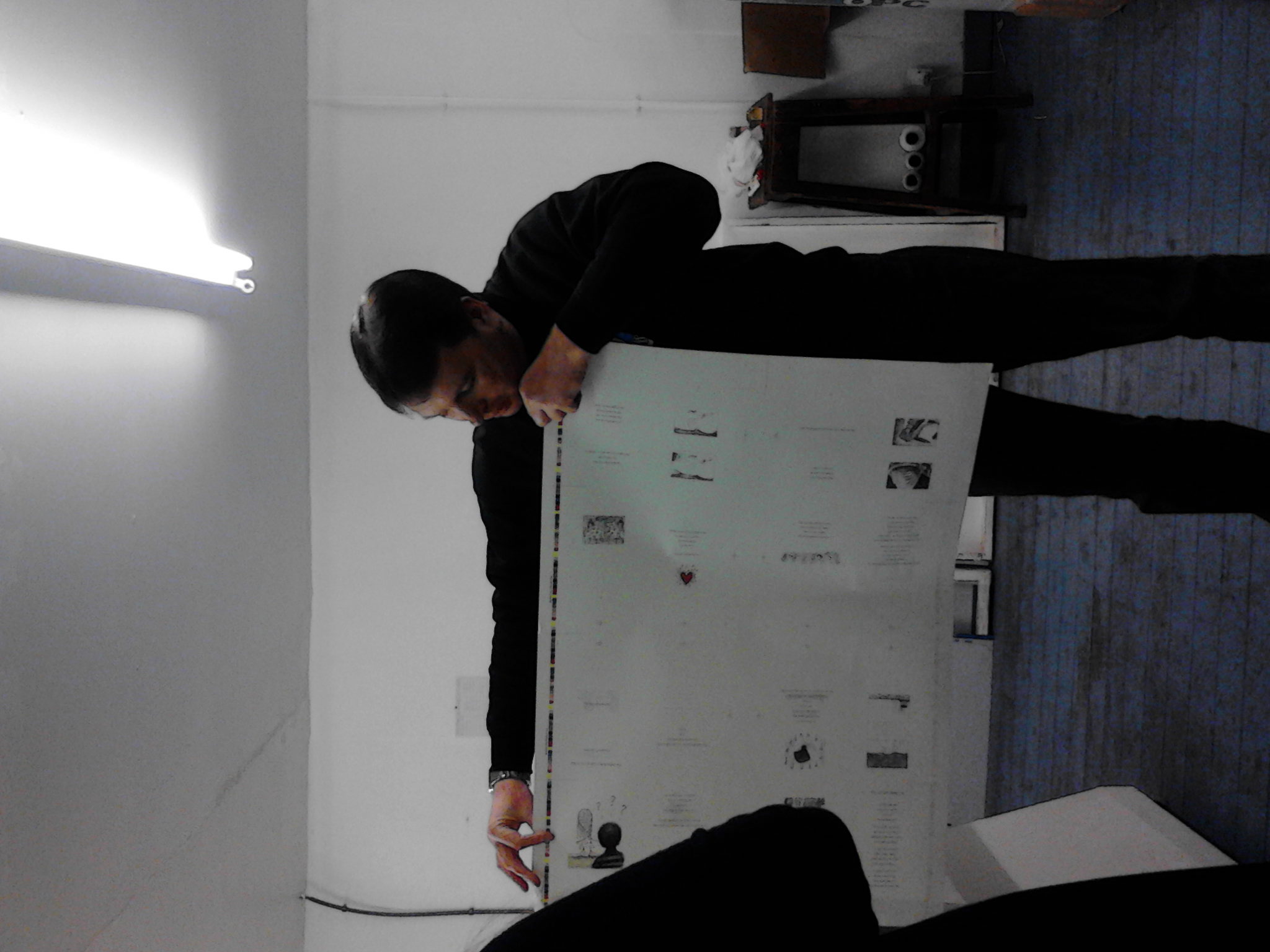
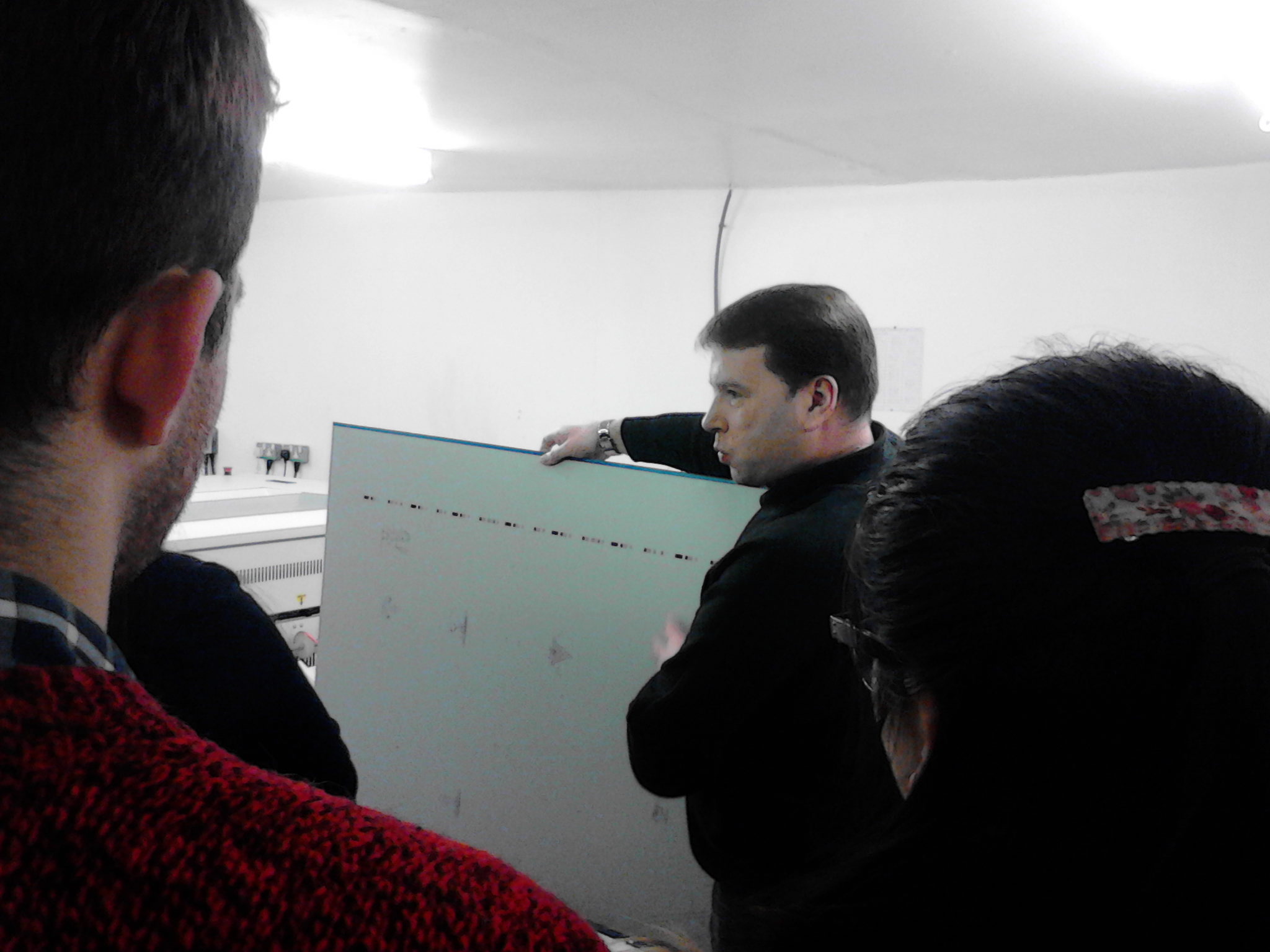
Paul showing a printing plate

Printingplate2


First of all we went to see the creation of the printing plates, and how the printing plate is then entered into the machine that in the offset printing (economic way of producing large quanitites in one go) prints on the large sheets of paper before those sheets are taken to the next step.

Folding1

Printingplate3


The next step is the folding. The machine actually folds the large print sheets into correct combinations of pages and spreads. The man standing there then stags the fold onto a gurney, ready to be wheeled to the next step.


SownAfter the folding the pages are then sown together, the binding and glueing ready to be made. After sewing the covers get glued on and a version of the paperback is done.


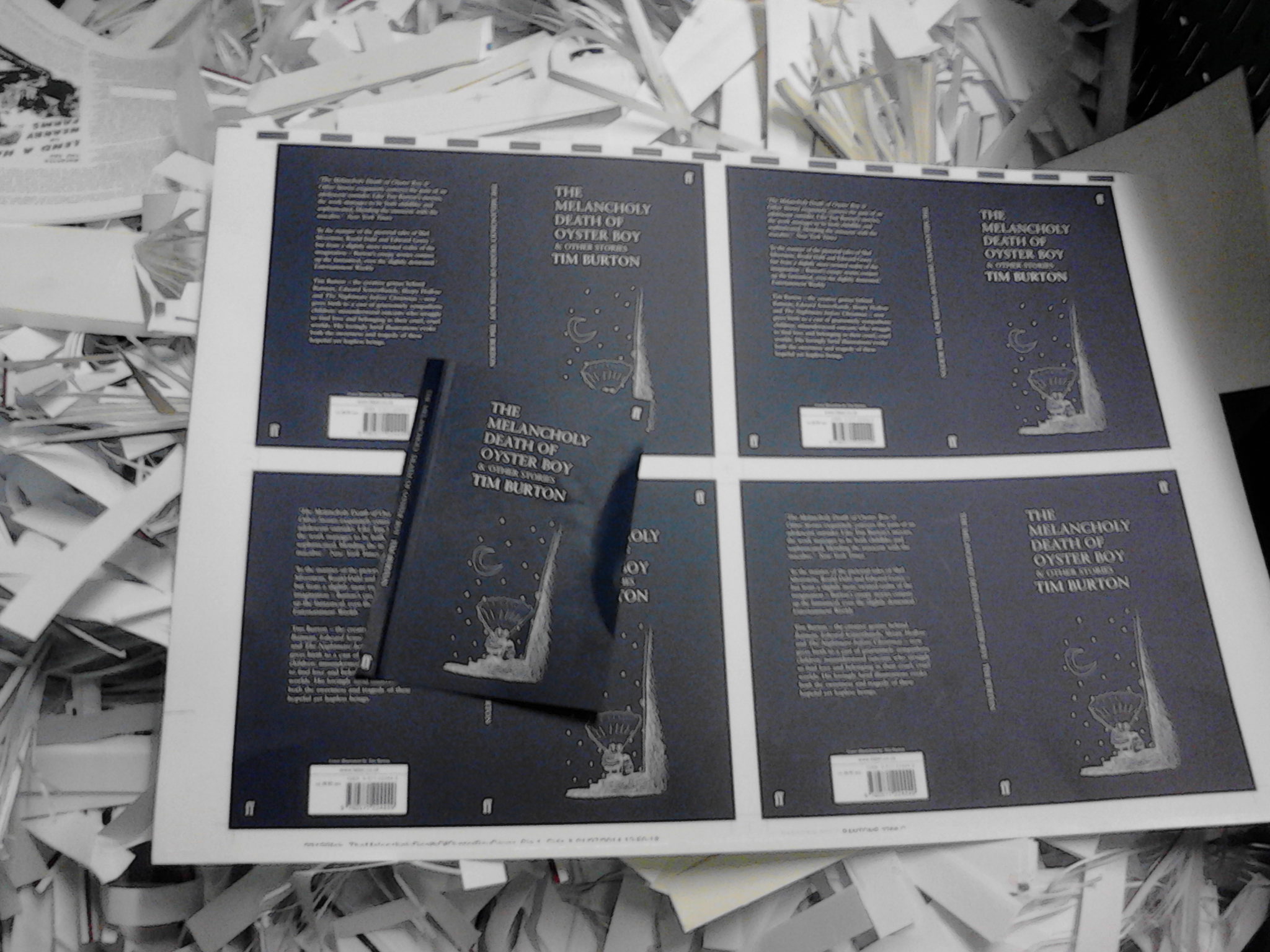
The boys at the glueing machine were over-zealous in their testing, ripping Gluedcovers2covers and pages apart, destroying perfectly well-made ready books for the sake of testing. Heartwrenching. As seen in the above picture of tossed pages and covers of Tim Burton’s book. Never thought I could make such girly shrieks.


FinalisingThere is one more machine to be mentioned, besides the amazing hand-made Warmbookwork that follows each procedure to ensure perfection – and that is the “finaliser”. It is a machine that rounds the corners and compacts a hardback, to give it that book-look. There is nothing better than having that fresh-from-the-oven book in your hand, warm like a roll on  Sunday morning.


Definitely a tour every publisher needs to make regularly to keep up with the changes happening in the developemnts, and to understand the actual process of printing. It is a process to be appreciated and respected. It takes knowledge and skill and is an integral part of book making. Insightful.


IMG_20140213_144719

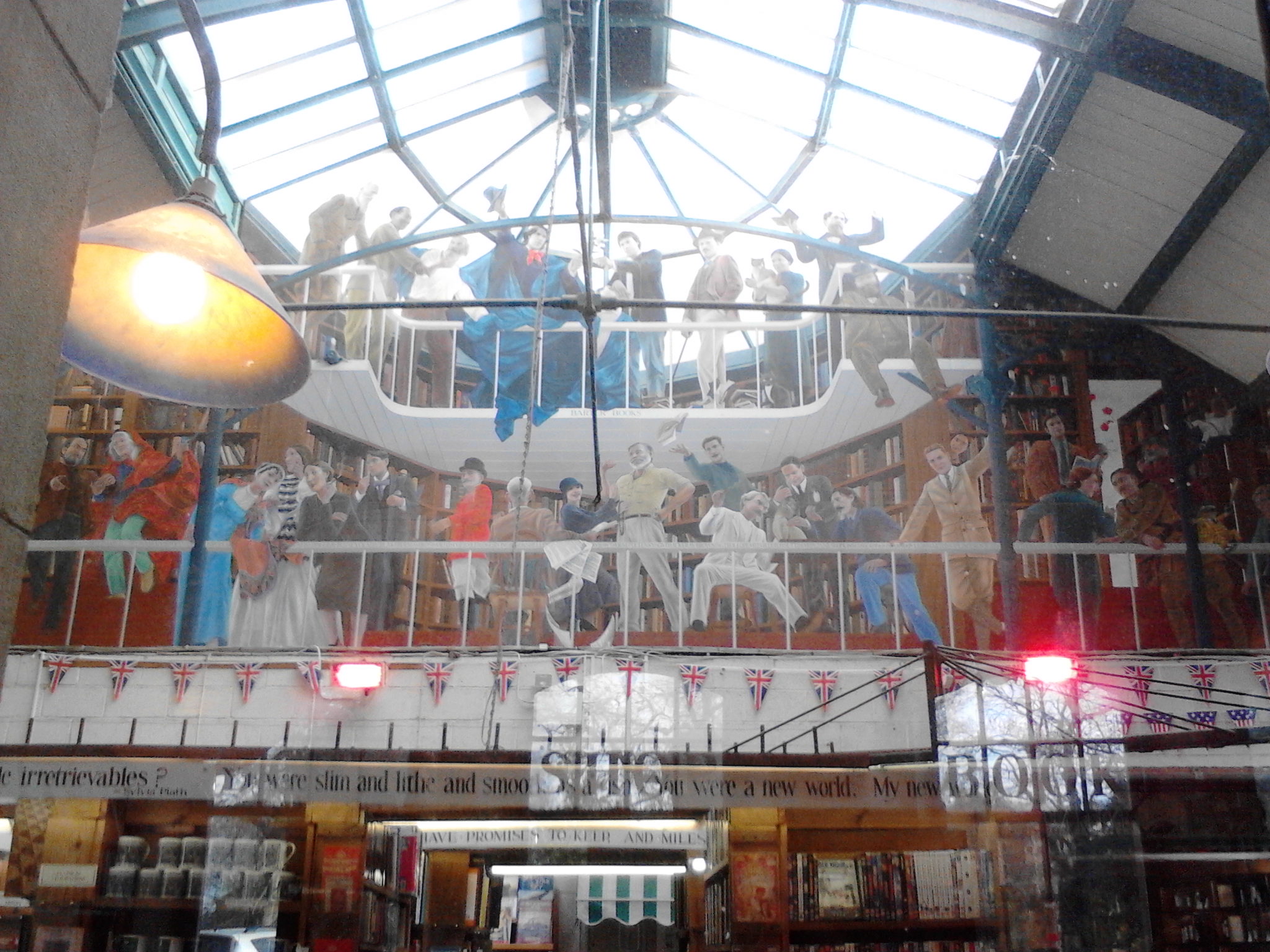
Our excursion ended with a long-awaited visit to Barter Books!

VISITING SPEAKERS FOR SEMESTER 2, 2013-14

February 26th, 2014 by Frances_Sessford | Posted in Blog | Comments Off on VISITING SPEAKERS FOR SEMESTER 2, 2013-14
Tags: , , ,

The Centre’s Visiting Speakers programme for this semester presents perspectives from academic and independent publishers from across the UK. In this academic year, the Centre’s teaching has encouraged students to look to small nation publishing across the world and to consider how the publishing landscape might look in an independent Scotland. We have been asking our speakers for their views on the subject at every opportunity, so come along for some interesting opinions and debate. All sessions are held at 2pm in Pathfoot B2. Attendance is free but there is limited space so please register via frances.sessford@stir.ac.uk to book a place.

The series begins on Thursday February 27 with sports journalists Martin Greig and Neil White, who founded BackPage Press five years ago to publish world-class sports books. Following this on March 6, Anna Glazier, Director of Sales & Marketing at Edinburgh University Press will talk about the challenges of keeping a small academic press in profile and profit. Duncan Lockerbie is a course alumnus and began Lumphanan Press almost as soon as he finished his studies. He now has around seven years’ experience in running a very small publishing company and on March 13 he will share his thoughts and views on how or if this might change should a vote for independence be attained. Moving over the border but not much, on March 20, another course alumnus and editor, Neil Simpson, and his MD, Jonathan Williams from Cumbria-based Cicerone Press will talk about how they manage the digital processes of their highly successful independent press which produces material for walking, cycling and outdoor enthusiasts across the world.

After the mid-semester break our speaker on April 3 is Mairi Kidd, Publisher at Barrington Stoke books in Edinburgh. Barrington Stoke is a very well-established publisher of fiction and other material for reluctant readers and has published many high-profile authors such as Malorie Blackman and Keith Gray. There is no session on April 10 because we will all be away at London Book Fair, but on April 17 we move to the other side of the country when editors Gill Tasker and Helen Sedgwick from Glasgow’s Cargo Publishing will give their take on working for a small independent trade press. After this on April 24, our penultimate speaker is Michael Malone,  who will give his dual perspective on the state of publishing as both a successful author of crime fiction and a regional account manager for Faber Factory. Lastly, our final speaker on May 1 is Jenny Niven, Portfolio Manager (Literature, Publishing & Languages) for Creative Scotland.


MLitt Publishing Students visit the Saltire Literary Awards

December 13th, 2013 by Dana Kendra Peters | Posted in Blog | Comments Off on MLitt Publishing Students visit the Saltire Literary Awards
Tags: ,

The MLitt Publishing Studies class of 2014 was invited to attend this year’s Saltire Society Literary Awards ceremony held at Mitchell Library in Glasgow on November 14, 2013.

The awards are the oldest and among the most prestigious for authors based in Scotland. The society is well known for their integrity and commitment to excellence. The Saltire Society strives to celebrate the Scottish imagination and to promote Scotland’s culture for years to come. This goal was certainly achieved at this year’s Literary Awards.

The award categories are as vast and varied as the nominees. This includes: graduate student awards, Scottish history books, and Scottish research books. Such a wide range of published material aims to encapsulate all aspects of Scottish society, continuing to reinforce the Saltire Society’s commitment to the Scottish imagination. The Saltire Society’s website also has a full list of winners and nominees.

However, the most interesting win of the night was the joint win by Air Cuan Dubh Drilseach by Tim Armstrong and As Far As I Can See by Eunice Buchanan. There was an audible amount of surprise throughout the room when two winners were announced, showing that it is a rare occurrence for two people to achieve such an honour.

Just to show how varied the categories and winners are, Tim Armstrong’s book is a Scottish Gaelic science-fiction novel, while Eunice Buchanan’s book is a collection of poems and a short story in Scots. Her book previously won the McCash prize for Scots poetry.

The theme of the evening was small publishers. Many of the winners and nominees were from smaller publishing houses, which goes to show that it is the quality of content and not the name attached to the book that win awards such as these.

Scotland is home to a number of small publishers, supported in part by Creative Scotland, who also strive to support excellence in Scottish arts and creativity.

What was most surprising–and encouraging–was the warmth with which many of the attendees greeted the MLitt Publishing Studies students. When the ceremony ended, many publishers approached the students with curiosity about the course and their attendance at the awards ceremony that night. Quite a few people engaged in conversations about the publishing industry with the students and were quite receptive toward those they approached.

Overall, the evening was a success for the MLitt Publishing Studies students. Not only were they warmly received by the attending members of the Saltire Society, but they were able to observe the world they are working towards.

Thank you to the Saltire Society for their kind welcome to the MLitt Publishing Studies class of 2013/2014.

An Introduction to Oxford University Press

December 12th, 2013 by Min | Posted in Blog | Comments Off on An Introduction to Oxford University Press
Tags: , , , ,

Min Yu reports on Vivian Marr (OUP)’s Visiting Speaker session:

Oxford University Press is a worldwide academic publisher. We were so lucky to have Vivian Marr, Head of Language Acquisition from the Global Academic Business to give us a presentation about OUP. According to Vivian’s talk, we know so much  information about the press and learned useful knowledge.

First of all, Vivian introduced the important history timeline of the OUP, for example, in 1478, first book printed in Oxford, first publication of Oxford English Dictionary (in instalments) in 1884 and OED online launched in 2000. With the develoment of OUP, it has enabled excellent research, scholarship, and education by publishing worldwide. When Vivian introduce the range of publishing, we are surprised that OUP has 6500 employees in 60 countries and more than 4000 employees are outside the UK. It has more than 6000 new copyrights per year across 40 languages. We can see OUP is the largest and most successful University Press in the world.

Then, Vivian presented the structures of OUP and its governance. It is amazing that its publishing branches are in 13 countries, offices in another 50 countries and representation in more that 50 countries. OUP has 5 main business groups to maintain and extend the market: Global Academic Business,English Language Teaching, Oxford Education (Oxed), Asia Education and OUP Esp.

OUP also has rapid digital growth, with its digital sales doubling in the three years 2012. OUP now has more than 15,000 UK and US titles available as eBooks, and 250 mobile Apps for iPhone, iPad, and other mobile devices-developed using OUP content. Finally, Vivian told us about the development of dictionaries at OUP in the future. Dictionaries are also very important because they provide new business and revenue opportunities because digital licensing income of the dictionaries will replace the lost print salses revenue. In the future, OUP would like to lead the global brand in the world, so it has some global language solutions, for example, it will use a global content brand to work with global technology companies.

After Vivain’s presentation, I learn so many useful things.She also gave us some useful websies and twitter presence, so if you want to learn more about OUP, you can visit these :

www.oup.com: general information about OUP, also vacancies and internships
www.oxforddictionaries.com: free dictionary service with premium subscription service
www.oed.com: the full history of the English language, constantly updated
www.oxfordreference.com: access to hundreds of Oxford’s reference titles
www.oxfordlanguagedictionaries.com: French, Chinese, German, Russian, Italian, Spanish bilingual dictionaries

Twitter presence

•@oupacademic: info on OUP’s publishing, mainly from the Global Academic Business Division
•@oxfordwords: anything to do with words, new and old, grammar, writing, language and lots more
•@oed: the latest research from the Oxford English Dictionary

The Mood Board Project

December 11th, 2013 by Amalia Koulakioti | Posted in Blog | Comments Off on The Mood Board Project
Tags: , ,

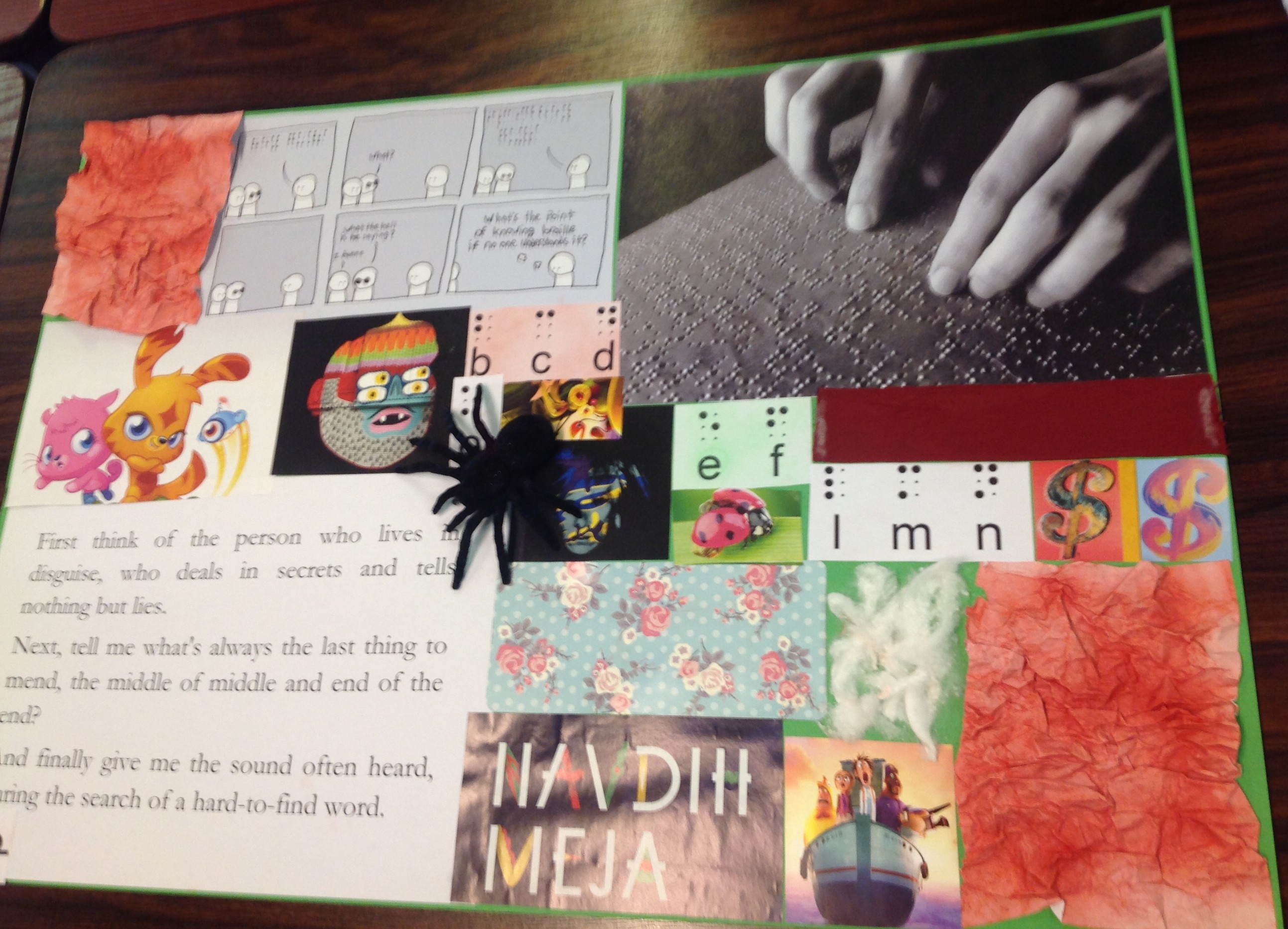
Definitely one of the most enjoyable activities of the course was the creation of a mood board. Our mood board had to be related to our publishing project and contain interesting things that might act as an inspiration for us.

It was a perfect opportunity to show our creativity and to think about our upcoming publishing projects.

My mood board included images of Greek goddesses, covers of favorite fantasy and dystopian novels, a draft sketch of how I imagine my cover to be, and a sample of different typefaces that I might use in the actual project.

Of course creating the mood board was only the first part of the fun. Bringing them with us in class and observing what everybody else had created, was the second.

The class filled with colors, pictures, even fabrics. All of the students had tried their best to create beautiful and inspiring mood boards. Liam’s mood board was full of colorful landscapes, traditional dances and Scottish monuments.

Dana’s mood board was a playful look at one of the most iconic British heroes, Sherlock Holmes. Her whole mood board looked like a children’s novelty book.

Laura (Jones) presented her favorite ampersand in a purple font, with various different pictures and images inside it, while Aija’s mood board was in a black font, with dozens of letters embracing the protagonist of her story.

Clem’s chest looked like it had come out straight from the pages of a novel, with letters, cards, and books about the Great War inside of it.

Jana’s mood board was so deliciously medieval. Arthurian legends, wonderful castles, beautiful manuscripts found their way into her project (her husky was adorable as well!).

Alexis was purely…anatomical. A ribcage, a human heart, the muscles in an arm, the eye cornea and a skull, were all part of her mood board.

Keisha presented nostalgic pictures of her academic years, combined with popular cartoons like the Simpsons, Bugs Bunny and Tom & Jerry.

Ana combined pictures, textures, and words to create a beautiful demonstration of her upcoming Braille project.

Vidhya showed us the sights of her hometown, the customs and traditions of a typical Indian city.

Laura (Muir) collected pictures of some of the most fascinating tattoos and Rosie’s mood board was full of flowers, lovely drawings and…bees.

Fanny’s mood board was romantic; the box that she used was like an object you can find in a Jane Austen novel, as well as the letters inside.

Lastly, Monidipa collected images from dystopian landscapes and futuristic cities, along with her logo for her publishing project.

Amalia Koulakioti

Publishing Prizes 2012-13

November 8th, 2013 by cs48@stir.ac.uk | Posted in Blog | Comments Off on Publishing Prizes 2012-13
Tags: , , , , ,

The Stirling Centre for International Publishing and Communication at the University of Stirling is delighted to be making the following awards to students who will be graduating from the MLitt in Publishing Studies on 22 November 2013.

• The Freight Books Prize for Publishing Design – Lina Pettersson Langlee

• The Faber & Faber Prize for Digital Innovation – Claire Jeffery

• The Publishing Scotland Prize for the Best Dissertation – Lina Pettersson Langlee

• The Taylor & Francis Prize for the most Distinguished Student on the MLitt in Publishing Studies – Joanne Marjoribanks

All the prizes are sponsored by members of the Centre’s Industry Advisory Board, several of whom are offering prizes to students in the Centre for the first time.

Lina Pettersson Langlee is the recipient of both the Freight Books Prize for Publishing Design and the Publishing Scotland Prize for the Best Dissertation. For the former, she took on a challenging design project, producing a beautiful final product which demonstrated panache, clever choices, and strong understanding of the potential market for her book, Dear Father… For this, Lina wins £100 of cash and £100 of books of her choice from Glasgow-based publisher Freight Books.

Lina’s prize-winning dissertation, for which she will receive £100 of books of her choice from Publishing Scotland’s BooksFromScotland.com website, was titled ‘Is Text No Longer Enough? A Look at the Digital Turn of “New Literacies” and Going Beyond the Text’. The dissertation examines how publishers are attending to new digital literacies, and included case studies of The 39 Clues and Pottermore. Her conclusion to the question of whether text is no longer enough? Simultaneously yes and no. Lina is currently working on a freelance basis for a number of companies, including Freight Books.

Claire Jeffery is the winner of the Faber & Faber Prize for Digital Innovation, for her work developing the concept of and designs for an app based on Robert Louis Stevenson’s Jekyll and Hyde. Claire’s work here demonstrated strong knowledge of the original text, including how to adapt and gamify it for a digital market. She embraced the digital medium’s capacity for extra material and interactivity. Her award will consist of a two-day placement with Faber & Faber in London, during which she will have the opportunity to meet with the heads of Faber Digital, Faber Factory, and the marketing team. Claire is now working as Production Assistant at Prepress Projects in Perth.

Joanne Marjoribanks is the winner for the Taylor & Francis Prize for the most Distinguished Student on the MLitt in Publishing Studies, thus winning £200 of books from T&F. Jo’s overall grade profile on the course was consistently high, and she produced extremely strong work including a dissertation which examined ‘The Soul of the Indie Bookseller’, and a publishing project in which she created a guidebook for families with teenagers whose siblings are autistic.

Professor Claire Squires, Director of the Stirling Centre for International Publishing and Communication, commented that ‘It’s a great validation of our MLitt in Publishing Studies to have these industry-sponsored prizes, which showcase the work of the Centre and its students. We congratulate the individual students on their creativity, knowledge, skills and understanding of the publishing industry, and are particularly delighted to be able to have prize-winning work which celebrate digital savvy and entrepreneurialism – key attributes for the publishers of the future.’